2026 Top Sodium Pyrosulfite Suppliers for Global Buyers

In 2026, global chemical buyers need more than a long supplier list. They need dependable evidence, clear specifications, and practical purchasing guidance. Sodium Pyrosulfite can support approved industrial applications when its identity, grade, and handling requirements are properly verified. Product performance may vary with purity, moisture, particle size, packaging, and storage conditions. Small differences matter.

This guide examines leading Sodium Pyrosulfite suppliers for international buyers. It considers manufacturing experience, production capacity, quality systems, export history, and technical support. Supplier evaluation also requires recent certificates of analysis, batch traceability, and consistent documentation. A clear COA helps. Current SDS documentation remains essential. Regulatory alignment matters, too. Import rules, labeling duties, transport requirements, and chemical registration standards may differ between markets. Buyers should confirm requirements with qualified local professionals before placing orders.

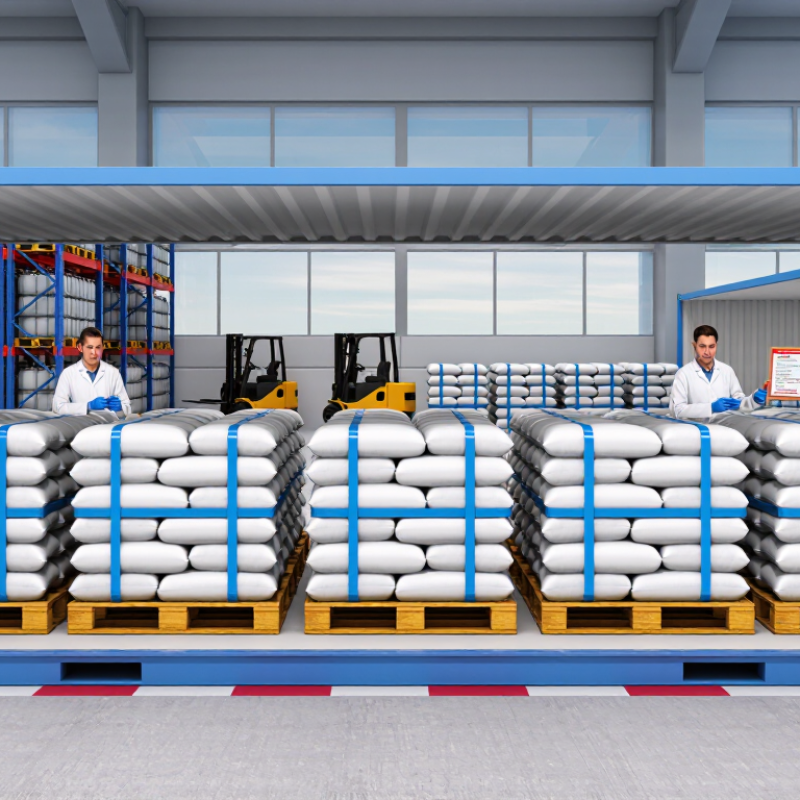
Experienced procurement teams often compare more than price. They review container loading methods, moisture protection, pallet design, lead times, and communication during delays. Yet supplier claims should not be accepted without verification. That deserves scrutiny. A low quote may conceal weaker packaging, limited testing, or uncertain delivery support. This overview aims to provide a balanced starting point rather than an unquestionable ranking. Some market information changes quickly. That limitation matters. Buyers should independently confirm current certifications, product availability, and legal compliance. Reliable sourcing is built through documented evidence, careful sampling, and realistic expectations.
2026 Top Sodium Pyrosulfite Suppliers for Global Buyers

What Is Sodium Pyrosulfite and How Is It Used?

What Is Sodium Pyrosulfite and How Is It Used?

Sodium pyrosulfite, also called sodium metabisulfite, is a white crystalline powder with the formula Na2S2O5. It dissolves in water and can release sulfur dioxide, especially in acidic conditions. This reaction explains many of its industrial uses. The chemistry is practical, but not always forgiving.

In food processing, approved grades may help control oxidation and preserve color in selected products. Water treatment operators use it to remove residual chlorine before discharge or further processing. It also supports certain textile, pulp, and photographic processes. Applications depend on purity, dosage, equipment, and local regulations. It should never be treated as a universal additive.

Global buyers usually check assay, moisture, iron content, heavy metals, particle size, and packaging integrity. A current safety data sheet and certificate of analysis are essential. Workers need suitable ventilation, eye protection, and dry storage. Contact with acids can generate irritating sulfur dioxide gas. One detail is easy to miss: a strong specification does not guarantee good performance if the material absorbed moisture during transport. Batch testing and sealed, clearly labeled packaging reduce that risk. Suppliers should also provide traceable production records and realistic shelf-life information. Claims that sound perfect deserve a second look.

Key Specifications, Grades, and Quality Standards

For global buyers, sodium pyrosulfite is often listed as sodium metabisulfite, CAS 7681-57-4. Confirm the chemical name before comparing suppliers. A commercial specification should state assay, sulfur dioxide content, moisture, insoluble matter, iron, heavy metals, and pH. Food grade usually requires tighter contaminant controls. Technical grade may allow wider limits. Reagent grade demands higher purity and stricter testing. The powder should appear white to slightly yellow and remain free-flowing. Yellowing, a strong odor, or damp lumps deserve investigation.

Tips: Request a recent certificate of analysis for each production lot. Match every limit with your intended application. Check packaging, batch coding, shelf life, and storage conditions. Do not rely on assay alone. A product showing high purity may still have excess moisture or poor physical stability.

Reliable suppliers should provide traceability, safety data, and consistent testing records. ISO 9001 supports controlled manufacturing, while HACCP, GMP, FCC, or regional food-additive requirements may apply to food-grade material. Requirements differ by destination, so verify them before purchase. Independent laboratory testing can reduce risk during a first shipment. In practice, buyers sometimes compare price before grade. That approach can create hidden costs. A careful review of particle size, dissolution behavior, and packaging strength gives a more realistic quality picture. Mistakes still happen, especially when specifications are copied without checking the final use.

2026 Top Sodium Pyrosulfite Suppliers for Global Buyers - Key Specifications, Grades, and Quality Standards

Reference specification benchmarks for commonly traded sodium pyrosulfite (sodium metabisulfite, Na₂S₂O₅) grades. Values are procurement-oriented minimum or maximum limits and may vary by applicable standard and buyer specification.

Food-grade material is commonly evaluated against FCC/E223 requirements, while industrial and water-treatment grades are typically qualified through supplier certificates of analysis. Commercial sodium pyrosulfite generally contains about 65% available SO₂, with purity commonly specified at 96% or higher.

Reference basis: FCC/E223 food-additive specifications and commonly published technical-grade procurement limits for sodium metabisulfite. Buyers should verify the current certificate of analysis, impurity limits, packaging, and regulatory compliance for each shipment.

How to Evaluate Sodium Pyrosulfite Suppliers Globally

How to Evaluate Sodium Pyrosulfite Suppliers Globally

Reliable supplier evaluation starts with substance identity, not marketing claims. ECHA identifies sodium pyrosulfite as CAS 7681-57-4, with a molecular weight of 190.11 g/mol. Ask for recent certificates of analysis covering assay, sulfur dioxide content, iron, heavy metals, moisture, and pH. Also verify whether the listed HS code is accurate. UN Comtrade places sodium pyrosulfite within HS 283210, a category that also includes other sodium sulfites. Trade figures therefore need careful interpretation.

Practical audits should examine batch records, laboratory equipment, packaging seals, and warehouse humidity controls. A supplier should explain its production capacity and typical lead time with evidence. Request at least three batch COAs, not one attractive sample. Compare results with applicable Codex specifications when the material enters food processing. For industrial use, confirm compatibility with your own process and storage conditions. A low price can hide unstable quality, weak traceability, or expensive port delays. I have seen documentation look complete while actual lot control remained unclear. That deserves reflection.

Tips: Check the manufacturing site, not only the trading office. Confirm ISO certificates through the issuing body. Request sealed samples from different batches. Review SDS revisions and emergency contacts. Use an independent inspection before the first large shipment. Also assess moisture-resistant packaging, because damaged bags can create strong sulfur dioxide odors and handling concerns. Supplier rankings should remain provisional until performance data accumulates.

2026 Top Sodium Pyrosulfite Suppliers by Region

2026 Top Sodium Pyrosulfite Suppliers by Region

Regional sourcing matters when buying sodium pyrosulfite for approved industrial applications. Asian suppliers often offer broad production capacity and flexible container volumes. European suppliers usually emphasize documentation, purity consistency, and regulated supply chains. North American distributors may provide shorter domestic delivery times and technical support. Latin American buyers should examine port access, inland transport, and import procedures carefully. Middle Eastern and African markets may benefit from regional warehouses, but stock availability can change quickly.

A reliable supplier should provide a current safety data sheet, certificate of analysis, batch number, and clear packaging details. Check sodium pyrosulfite concentration, moisture limits, storage conditions, and re-test dates. Food, water-treatment, and industrial grades may require different compliance documents. Regional rankings can mislead. The cheapest quote may carry higher freight, insurance, or customs costs. I have seen purchasing plans fail because lead times were treated as fixed. They are not.

Tips: Request a small trial order before signing a long contract. Compare delivered cost, not only the product price. Confirm sealed bags, dry storage, and pallet protection. Ask whether the supplier can support your destination’s labeling rules. Keep two qualified regional sources when possible. This takes more effort, but it reduces disruption.

2026 Top Sodium Pyrosulfite Suppliers for Global Buyers - 2026 Top Sodium Pyrosulfite Suppliers by Region

Region Principal sourcing markets Typical product forms Common specification focus Main buyer industries Export and logistics profile Buyer due-diligence priorities
East Asia Mainland China, Japan, South Korea White crystalline powder; granular material; industrial and food-contact grades Assay, sulfur dioxide content, iron, heavy metals, insoluble matter, moisture, pH Food processing, water treatment, pulp and paper, textiles, mining and photographic chemicals Broad export availability; ocean-container shipments commonly use moisture-resistant inner liners and palletized bags Verify lot-based certificates of analysis, food-contact compliance where applicable, packaging integrity and port documentation
South Asia India and neighboring South Asian markets Powder and granular grades in bags, laminated sacks or fiber drums Assay, available sulfur dioxide, sodium sulfite and thiosulfate limits, moisture and particle size Food preservation, textile processing, water treatment, leather processing and chemical manufacturing Competitive regional supply; suitable for both containerized exports and shorter-distance distribution within Asia Confirm consistency between technical data sheets and shipment COAs; check local labeling and import requirements
Europe Western, Central and Southern European chemical markets Industrial, technical and food-grade powder; repacked small-volume formats REACH status, food-additive requirements where relevant, purity, trace metals and batch traceability Food and beverage, brewing, water treatment, paper, textiles and laboratory applications Strong regional distribution network; shorter delivery times for intra-European orders and established compliance procedures Request current regulatory declarations, allergen or food-contact statements, SDS in the destination language and full traceability
North America United States, Canada and Mexico Bulk powder, granular material and repackaged industrial or food-grade product FCC or equivalent food specifications, assay, sulfur dioxide release, heavy metals, moisture and particle-size control Food processing, municipal and industrial water treatment, mining, pulp and paper, and oilfield chemicals Reliable domestic distribution supplemented by imports; bulk and palletized delivery options are widely available Check SDS revision date, OSHA or WHMIS labeling, country-specific food approvals and warehouse storage conditions
Latin America Brazil, Mexico, Argentina, Chile and other regional import markets Imported powder and granular grades; distributor-packed industrial formats Assay, moisture, sulfur dioxide content, local labeling, certificate of origin and customs documentation Mining, wine and beverage processing, food production, water treatment, pulp and paper, and textiles Import-led supply in many countries; lead time and landed cost depend heavily on port, inland transport and customs clearance Validate Spanish or Portuguese documentation, importer registration, regional food rules and moisture protection during transit
Middle East and Africa Gulf markets, Türkiye, North Africa and South Africa Imported industrial powder, food-grade powder and granular grades Purity, moisture, sulfur dioxide content, packaging durability and conformity with destination-country standards Water treatment, mining, food processing, leather, textiles, pulp and paper, and chemical distribution Primarily import and distributor driven; dry storage and protection from heat and humidity are especially important Confirm local registration, Arabic or French labeling where required, container ventilation practices and inland delivery capability
Global product reference: Sodium pyrosulfite is commonly known as sodium metabisulfite. Chemical formula: Na2S2O5; CAS Registry Number: 7681-57-4; relative molecular mass: approximately 190.10 g/mol. The substance releases sulfur dioxide in contact with water or acids, so buyers should review the current safety data sheet, applicable transport rules and destination-market regulations before ordering.

Import, Compliance, Pricing, and Buyer Considerations

2026 Top Sodium Pyrosulfite Suppliers for Global Buyers

Import decisions should begin with product identity, not a low quotation. Sodium pyrosulfite is commonly listed as sodium metabisulfite, Na2S2O5. Buyers should confirm the chemical name, assay, moisture, iron content, and particle size. UN Comtrade’s 2024 trade database places sodium sulfites under HS 283210. However, this code covers related products, so trade figures require careful interpretation.
Compliance documents must match the destination market. Request a current Safety Data Sheet, Certificate of Analysis, batch number, origin statement, and packaging specification. The Globally Harmonized System requires clear hazard communication, while European buyers may need REACH and CLP checks. Transport classification should be verified with the supplier and freight carrier. Small documentation gaps can delay a container.
Pricing depends on purity, sulfur dioxide performance, packaging, order volume, energy costs, and freight. The World Bank Commodity Markets Outlook tracks wider chemical and energy cost pressures, but it does not provide a reliable sodium pyrosulfite contract price. Therefore, compare landed cost rather than factory price. Include inspection, port handling, insurance, duty, and storage. A low quote can still be wrong. Experienced buyers often test one production batch before signing annual supply terms. That step costs time, yet it may reveal caking, odor, or inconsistent dissolution. Supplier rankings should therefore combine audited capacity, complaint response, export experience, and verified laboratory results.

Contact Us

We offer a just-in-time delivery solution supplying the highest quality materials to our customers. Get in touch today and learn how we can help your company.

Get in touch