Best PET Release Film for Your Packaging Needs?

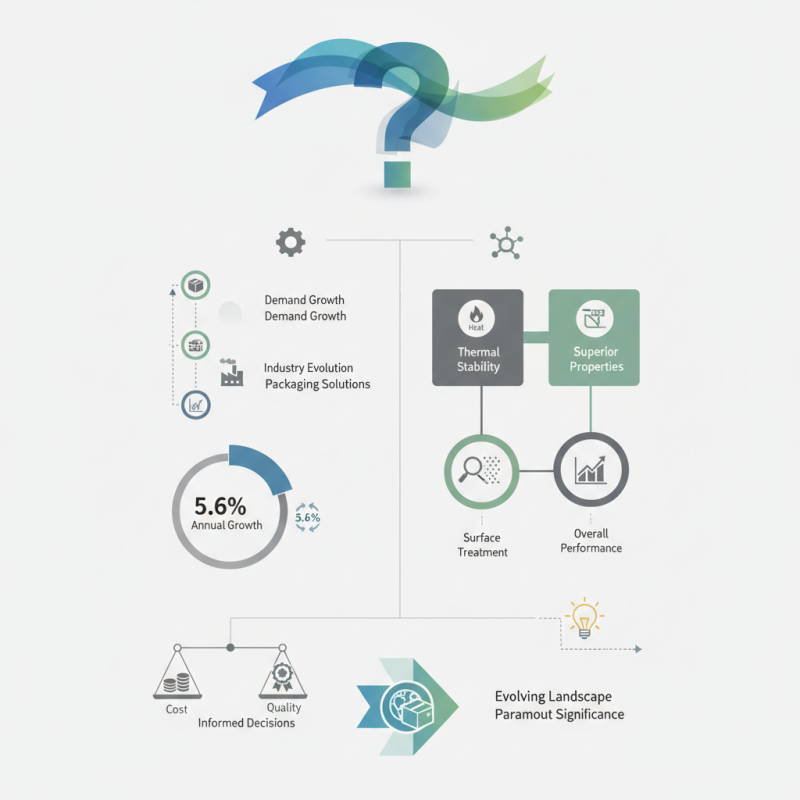
The demand for high-quality packaging solutions is driving the evolution of materials used in the industry. One such critical component is the PET Release Film, which plays an essential role in various applications, including labels and adhesive products. According to a recent industry report by Smithers Pira, the global demand for release liners is projected to grow at a steady annual rate of 5.6%, emphasizing the importance of choosing the right type of film.

PET Release Film offers several advantages, such as excellent thermal stability and superior release properties. These features make it suitable for various applications, from simple packaging to complex technical uses. However, not all PET films are created equal, and some may need better performance in specific situations. This raises questions for manufacturers about selecting the best option for their needs.

Recent studies revealed that factors such as surface treatment and film thickness can significantly affect overall performance. Understanding these variables can help companies make informed decisions. Balancing cost and quality remains a challenge. Achieving optimal performance often requires meticulous testing and assessment. As the packaging landscape continues to evolve, the significance of PET Release Film remains paramount.
Best PET Release Film for Your Packaging Needs?

Understanding PET Release Film: Properties and Applications in Packaging

When considering packaging solutions, PET release film has emerged as a popular choice. This film, made from polyethylene terephthalate, offers outstanding properties including chemical resistance and high mechanical strength. It has a smooth surface that minimizes friction between layers, ensuring easier separation of items in packaging applications. According to a report from the International Flexible Packaging Association, the demand for PET films is expected to grow by nearly 4% annually.


One notable application of PET release film is in the production of adhesive labels. The film provides a reliable backing that allows for efficient printing and application. Additionally, its durability makes it suitable for food packaging. Many users appreciate its ability to withstand various temperatures without compromising the integrity of the package. While these qualities are advantageous, it is essential to source the film from reputable manufacturers to ensure consistency.


Tips: Always assess the specific requirements of your packaging. Consider the type of surface finish required for optimal adhesion. Testing different grades of PET film can also reveal the best options for your needs. Remember, the wrong choice can lead to increased costs and inefficiencies in production.

Key Factors in Choosing the Right PET Release Film for Your Business

When selecting the right PET release film for packaging, several key factors come into play. The film's thickness directly influences its performance. A typical film thickness ranges from 12 to 50 microns. Thicker films may offer better durability but can compromise flexibility. Proper evaluation of thickness is crucial based on the specific applications.

Another critical consideration is the release force. The release force should align with your product needs. A study by the Flexible Packaging Association reported that 75% of brands prioritized consistent release force for their applications. Inadequate release can lead to product contamination or destruction. Hence, testing different formulations can provide insights into the most suitable release level for your business.

Environmental factors also shape the decision. Many industries are shifting toward sustainable packaging solutions. Reports from the Coalition for Plastics Recycling highlight that 56% of consumers prefer brands using eco-friendly materials. Exploring biodegradable or recyclable PET films may attract environmentally conscious customers. Balancing performance and sustainability can significantly impact brand perception and loyalty in today's market.

Best PET Release Film for Your Packaging Needs

Comparative Analysis: PET Release Film vs. Other Types of Release Films

In the packaging industry, choosing the right release film is critical. PET release film stands out for its excellent balance of performance and cost. Unlike silicone or paper-based release films, PET offers superior clarity and durability. According to recent data from the Flexible Packaging Association, PET films can improve packaging efficiency by up to 30%. This can lead to significant cost savings in high-volume applications.

Comparing PET release films to alternatives like polyethylene or polypropylene shows distinct advantages. PET maintains optimal release characteristics under a wider temperature range, making it suitable for diverse applications. While polyethylene is more affordable, it tends to warp and lose its properties under heat. Industry reports suggest that PET films have a lower propensity for adhesion issues, enhancing packaging integrity. However, companies must consider environmental impacts as PET is less biodegradable than paper-based alternatives, prompting a need for improvements in sustainability practices.

The choice between PET and other types of release films often hinges on specific application requirements. Performance under stress, compatibility with adhesives, and recyclability are increasingly vital factors. As manufacturers innovate, ongoing assessments of these elements will be essential. Failing to address these practical concerns can lead to product failures, impacting both the supply chain and end-users. Balancing functionality with eco-friendliness remains a challenge that necessitates careful thought.

Market Trends: Growth and Demand for PET Release Films in Packaging

The demand for PET release films in packaging is on the rise. According to recent market analysis, the growth rate of PET films in this sector is projected to reach 7.5% annually. Industries like food, electronics, and cosmetics are major contributors to this surge. As companies prioritize sustainability, PET's recycling potential makes it a favorable option among materials.

Choosing the right PET release film can be challenging. Look for films with a consistent release coating to ensure reliable performance. Evaluating the film’s thickness is also crucial; thinner films can save costs but may sacrifice durability.

It’s important to keep abreast of emerging trends. For instance, the use of biodegradable coatings is becoming more prevalent. This reflects a shift toward more eco-friendly packaging solutions. Regularly revisiting your suppliers and options can help your business stay competitive.

Sustainability Considerations in the Use of PET Release Films for Packaging

Sustainability is becoming essential in packaging. PET release films, often overlooked, play a significant role. They enable easy separation of products from their packaging. However, environmental concerns must be addressed. A 2021 report by the Plastics Industry Association revealed that the recycling rate for PET plastics remains at only 30%. This low rate raises questions about the sustainability of using PET in packaging.

The production of PET films involves energy-intensive processes. According to the European Commission, 2.45 kg of CO2 are emitted for every kilogram of PET produced. This highlights the environmental impact of choosing PET release films. Industries are now seeking alternatives. Biodegradable options can reduce waste and carbon footprints. Yet, they often come with higher costs and performance issues.

Challenges exist in balancing performance and sustainability. Businesses face pressure to innovate. Some may hesitate to adopt new materials due to concerns about product integrity. Transitioning to sustainable options is crucial. However, it is essential to ensure these films perform as needed. The way forward involves collaboration among manufacturers, recyclers, and consumers. Encouraging recycling efforts can also enhance sustainability.

Best PET Release Film for Your Packaging Needs? - Sustainability Considerations in the Use of PET Release Films for Packaging

Property Typical Value Sustainability Consideration
Thickness 50-150 microns Lower thickness can reduce material usage
Transparency High transparency (90%+) Improves recycling visibility
Release Force Low to moderate Balancing ease of use and reusability
Temperature Resistance Up to 120°C Essential for hot-fill applications
Biodegradability Non-biodegradable Consider alternative biodegradable options
Recyclability Recyclable with PET Encourages circular economy practices

Contact Us

We offer a just-in-time delivery solution supplying the highest quality materials to our customers. Get in touch today and learn how we can help your company.

Get in touch