What is Chemical Raw Materials and Their Importance in Industry?

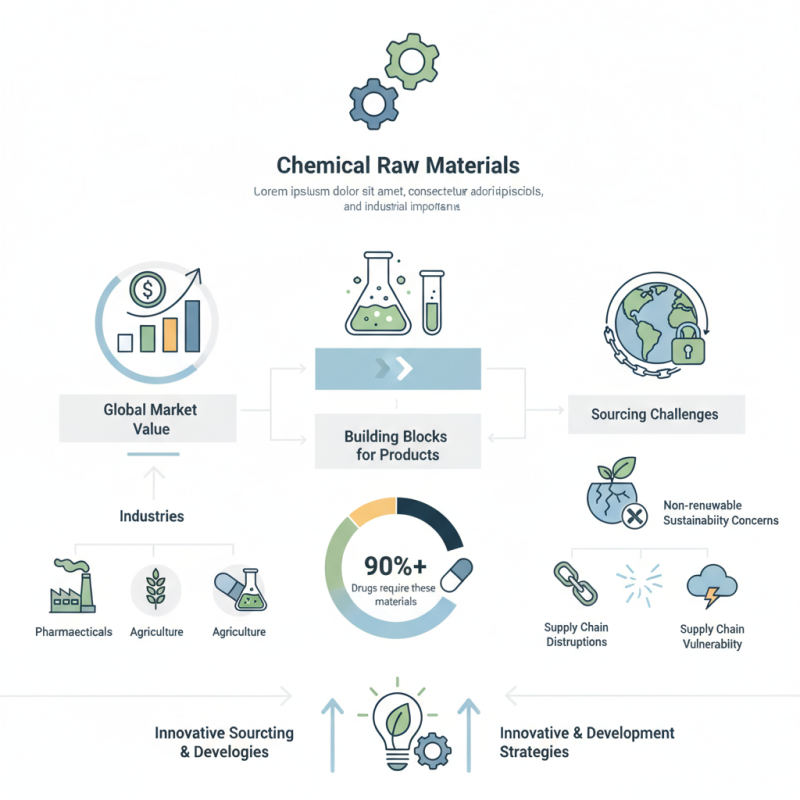
Chemical raw materials are fundamental to various industries, serving as the building blocks for countless products. Reports indicate that the global chemical raw materials market reached approximately $4 trillion in 2021, with growth projected at a steady rate. This underscores their significance across sectors like pharmaceuticals, agriculture, and manufacturing.

In the pharmaceutical industry, for instance, chemical raw materials are crucial for developing active ingredients. According to recent data, over 90% of drugs require these materials at some stage. However, sourcing these raw materials can be challenging, leading to potential delays and increased costs. It's important to reflect on the sustainability of these materials. Many come from non-renewable resources, raising concerns about their long-term availability.

Moreover, the reliance on chemical raw materials poses risks. Disruptions in supply chains, like those seen during global crises, can impact production timelines. This vulnerability highlights the need for innovative sourcing and development strategies. Overall, while chemical raw materials play a vital role in industrial processes, their sustainability and supply chain stability require ongoing attention.
What is Chemical Raw Materials and Their Importance in Industry?

What Are Chemical Raw Materials: Definitions and Classifications

Chemical raw materials are essential components in various industries. They include basic chemicals like acids, alkalis, and organic compounds. These materials serve as the building blocks for products ranging from plastics to pharmaceuticals. The classification of chemical raw materials can be broad. They can be categorized based on their source, use, or chemical structure.

Natural materials include minerals, plant extracts, and by-products from livestock. Synthetic chemicals, made through chemical processes, are widely used as well. Each classification plays a distinct role in production. Yet, some manufacturers overlook the importance of sourcing quality materials. Poor choices can lead to subpar products and safety concerns.

The reliance on chemical raw materials raises questions. Are industries doing enough to ensure sustainability? The environmental impact of extraction and production cannot be ignored. Continuous reflection on sourcing methods and impacts is crucial. Dialogues around their significance must include ethical considerations.
Importance of Chemical Raw Materials in Industry

Key Categories of Chemical Raw Materials Used in Various Industries

Chemical raw materials are essential to multiple industries. They form the backbone of production processes. They are used in manufacturing, agriculture, and pharmaceuticals. Each sector relies on specific types of chemicals for unique functions.

In the manufacturing sector, organic and inorganic chemicals play crucial roles. They are used to create plastics, paints, and textiles. For agriculture, fertilizers and pesticides boost crop yields. These substances enhance food production but can pose environmental risks. The pharmaceutical industry depends on active pharmaceutical ingredients to develop medications.

Despite their importance, the sourcing and usage of raw materials need careful consideration. Some chemicals can be hazardous. Inefficient use can lead to waste and pollution. Addressing these issues is critical for sustainable development. Finding balance is essential for the future of industrial growth.

Statistics on Global Chemical Raw Materials Market and Industry Growth

What is Chemical Raw Materials and Their Importance in Industry?

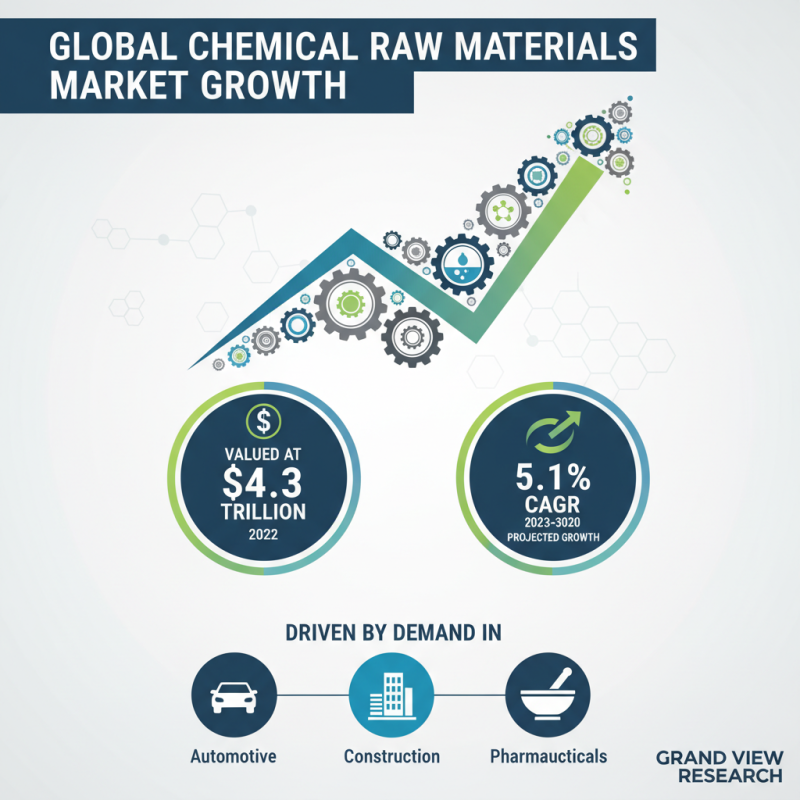
The global chemical raw materials market is witnessing substantial growth. According to a recent report by Grand View Research, the market size was valued at approximately $4.3 trillion in 2022. This number is projected to expand at a compound annual growth rate (CAGR) of around 5.1% from 2023 to 2030. Such growth signals an increasing demand across various industries including automotive, construction, and pharmaceuticals.

In terms of specific segments, petrochemicals dominate the market. They accounted for over 35% of the market share in 2022. The pharmaceutical industry also plays a significant role, projected to show robust growth due to rising healthcare needs. However, the surge in demand comes with challenges. Sourcing sustainable and eco-friendly raw materials remains a struggle for many manufacturers. The pressure to meet environmental standards has never been higher.

Interestingly, emerging markets in Asia-Pacific are leading this growth. The region is expected to witness a CAGR of 6.0% during the forecast period. This presents opportunities for local producers but also raises concerns about quality control and consistency. As industries expand, careful consideration is essential to balance growth and sustainability.

The Role of Chemical Raw Materials in Sustainable Industrial Practices

Chemical raw materials are essential in various industrial processes. They provide the foundational components needed to create products ranging from plastics to pharmaceuticals. However, the production and use of these materials often raise environmental concerns. The quest for sustainability challenges industries to adapt while meeting market demands.

Incorporating sustainable practices requires a shift toward eco-friendly raw materials. This means sourcing materials that are renewable or less harmful. For example, using bio-based chemicals can reduce reliance on fossil fuels. Many industries are experimenting with alternatives, yet this transition is not always smooth. There may be limitations in availability or scalability of sustainable options.

Moreover, companies must commit to continuous improvement. Regular assessments of their processes help in identifying areas needing change. Some businesses may struggle with transparency in sourcing. Developing a clearer framework for sourcing can enhance trust. The path to sustainability in chemical raw materials is complex. It involves trial, error, and ongoing reflection.

What is Chemical Raw Materials and Their Importance in Industry? - The Role of Chemical Raw Materials in Sustainable Industrial Practices

Category Example Raw Material Industrial Application Sustainability Impact
Polymers Polyethylene Packaging Recyclable, reduces waste
Metals Aluminum Transportation Lightweight, energy-efficient
Chemicals Sodium Hydroxide Manufacturing Essential for purification processes
Renewable Resources Corn Starch Bio-plastics Biodegradable, lowers plastic pollution
Minerals Silica Sand Glass Production Recyclable, sustainable sourcing practices

Case Studies: Innovative Applications of Chemical Raw Materials in Industry

Chemical raw materials are essential for various industries, serving as building blocks for countless products. In recent years, innovative applications of these materials have emerged, showcasing their versatility and significance. One intriguing case study is the use of bio-based chemicals derived from agricultural waste. These materials not only reduce reliance on fossil fuels but also promote sustainability in manufacturing.

Another fascinating application is in the field of pharmaceuticals. Chemical raw materials play a crucial role in drug development and formulation. By utilizing advanced synthesis techniques, researchers can create more effective medications. However, the process can be complex. It involves many steps and can be time-consuming, leading to questions about efficiency and costs. These challenges highlight the need for continued innovation in therapeutic solutions.

Additionally, the construction industry is exploring the use of chemical additives to enhance material performance. For example, certain chemicals can improve the durability of concrete, making structures more resilient. Yet, there are concerns about long-term effects on the environment. Manufacturers must consider the balance between performance and sustainability. Such reflections are vital for the industry's future.

Contact Us

We offer a just-in-time delivery solution supplying the highest quality materials to our customers. Get in touch today and learn how we can help your company.

Get in touch