China Top 10 Pharmaceutical Raw Materials Suppliers?
China’s pharmaceutical raw materials sector has become a major sourcing base for active pharmaceutical ingredients, excipients, intermediates, and specialty chemicals. Yet supplier selection involves more than comparing prices or production capacity. A reliable partner must show consistent quality, transparent documentation, and practical regulatory readiness.
This guide examines ten leading Chinese suppliers through a buyer’s lens. It considers GMP compliance, quality systems, batch consistency, COA accuracy, traceability, technical support, export experience, and supply continuity. It also looks at whether suppliers can support audits, DMF documentation, stability data, and changing customer specifications. These details matter when a shipment arrives in sealed drums, but one test result does not match the previous batch.
Dr. Janet Woodcock, a former FDA leader, emphasized a central quality principle: “Quality cannot be tested into products; it has to be built into them.” That idea shapes this review. Strong pharmaceutical raw materials suppliers should control quality from approved sourcing through manufacturing, testing, packaging, and delivery. Certifications alone are not enough. They can become outdated, incomplete, or poorly understood.
The ranking is therefore useful, but not absolute. A supplier suitable for a generic tablet may not fit an injectable, biologic, or highly regulated market. Buyers should verify current certificates, inspect manufacturing sites, request samples, and conduct independent due diligence. Mistakes still happen. Even experienced procurement teams can overlook communication gaps or undocumented process changes. This article offers a practical starting point, not a substitute for technical qualification and regulatory review.
What Are Pharmaceutical Raw Materials and Why Do They Matter?
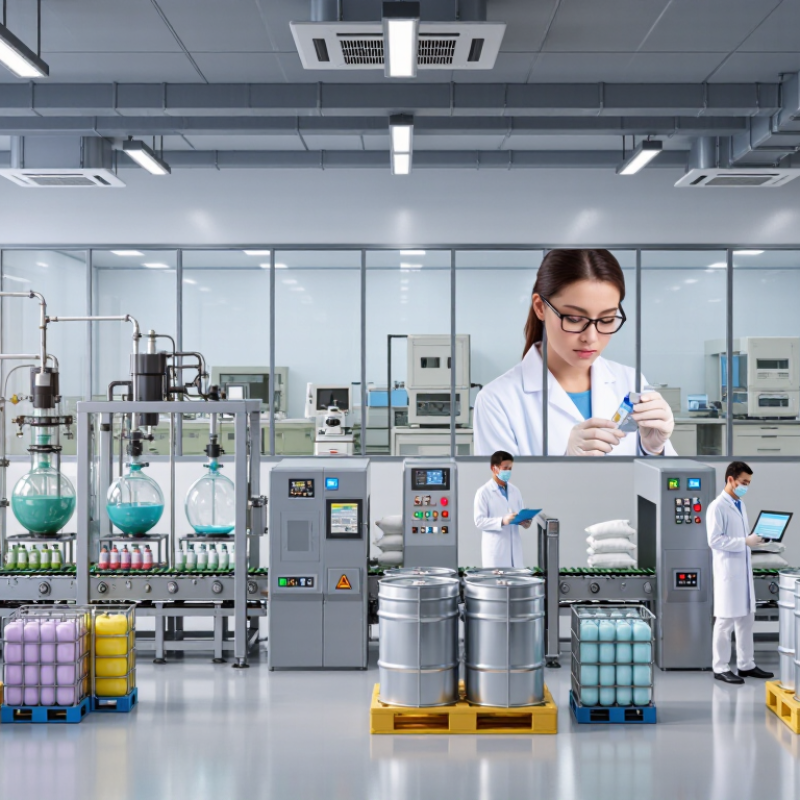
Pharmaceutical raw materials are the chemical and biological inputs used to make medicines. They include active pharmaceutical ingredients, excipients, solvents, and processing aids. Their quality affects potency, stability, safety, and manufacturing yield. A small impurity can change a tablet’s dissolution rate or shorten its shelf life.
The World Health Organization reports that about 10% of medicines in low- and middle-income countries are substandard or falsified. This figure concerns finished medicines, but it highlights a deeper risk: weak control can begin with poor raw-material selection. Reliable suppliers should provide validated specifications, batch records, impurity profiles, and certificates supported by testing. GMP compliance matters, but paperwork alone is not proof. It can become a false comfort.
Supply continuity matters too. The U.S. Food and Drug Administration’s Drug Shortages Task Force found that many shortages involve products with limited manufacturing capacity and fragile supply chains. Raw-material suppliers therefore influence more than purchasing costs. They affect production schedules, patient access, and regulatory confidence.
Buyers should examine audit findings, change-control practices, transport conditions, and backup production sites.
The cheapest quotation may become expensive after a failed batch. Sometimes, quality decisions still rely on incomplete information. That weakness deserves honest review.
How to Evaluate Pharmaceutical Raw Material Suppliers in China
Choosing among China’s top pharmaceutical raw material suppliers requires more than comparing prices. A reliable evaluation starts with documented quality systems, not attractive website claims. Request current manufacturing licenses, quality certifications, audit reports, and product specifications. Check whether documents match the actual production site. Small inconsistencies matter. They may reveal weak control.
Ask how the supplier manages identity testing, impurity profiles, batch traceability, and change notification. Review certificates of analysis from several recent batches. Compare test methods, acceptance limits, and laboratory signatures. If possible, arrange a technical audit or use an independent auditor. Walk through receiving, sampling, storage, and dispatch areas. Clean labels and controlled temperatures provide useful evidence. They are not proof alone.
Experienced buyers also assess supply continuity. Discuss raw material sources, backup equipment, lead times, packaging, and emergency communication. Confirm that shipment records and customs documents can be verified. A supplier should answer technical questions clearly, even when the answer is inconvenient. Be cautious when sales staff avoid quality personnel. Price still matters, but an unusually low quote deserves closer examination. No audit is perfect. In supplier reviews, I have seen polished files hide practical gaps, while smaller facilities sometimes showed stronger batch discipline. A second review often exposes what the first audit missed.
China’s Top 10 Pharmaceutical Raw Materials Suppliers
China’s top 10 pharmaceutical raw materials suppliers should be judged by evidence, not factory size alone. A reliable ranking examines GMP compliance, production capacity, regulatory filings, export history, and batch consistency. IQVIA Institute’s Global Use of Medicines 2024 forecasts global medicine spending could reach nearly 2.3 trillion dollars by 2028. This growth will increase demand for dependable active pharmaceutical ingredients and excipients.
The strongest Chinese suppliers usually provide complete certificates of analysis, impurity profiles, stability data, and batch traceability. Buyers should also review inspection records, change-control procedures, and technical response times. The WHO Good Manufacturing Practices framework remains a practical reference for assessing cleanrooms, documentation, and quality systems. A sample drum should match its paperwork. That sounds obvious, yet it is often overlooked.
Industry reports from Grand View Research and Mordor Intelligence identify Asia-Pacific as a major pharmaceutical manufacturing base, supported by expanding API production and export infrastructure. However, a “top 10” list can become misleading when rankings rely only on revenue or online visibility. Some smaller plants offer stronger technical support and faster customization. Others struggle with continuity during raw-material shortages. Buyers should compare at least three recent batches, confirm audit access, and verify regulatory suitability for each destination market. Supplier claims still require independent checking.
What Products and Services Do These Suppliers Offer?
China’s top pharmaceutical raw material suppliers offer more than bulk chemicals. Their product ranges commonly include active pharmaceutical ingredients, excipients, vitamins, amino acids, botanical extracts, and selected formulation intermediates. Many suppliers support tablets, capsules, oral liquids, creams, and sterile manufacturing. Product quality depends on grade, purity, particle size, solubility, and stability data.
Their services often include custom synthesis, contract manufacturing, analytical testing, sample preparation, and technical documentation. Reliable suppliers should provide certificates of analysis, batch records, safety data sheets, and clear traceability. Some also assist with formulation trials, packaging selection, export documentation, and temperature-controlled shipping. In practice, communication speed matters. A delayed response can disrupt a production schedule. A polished website is not proof of strong quality systems.
Tips: Request a recent sample and compare it with the agreed specification. Check testing methods, audit history, storage conditions, and change-control procedures. Ask whether the quoted material matches your required pharmacopeial standard. Small details matter. I would also review several batches, not only one. That approach may seem slower, but it reveals consistency problems early. Supplier selection still requires judgment, because technical documents can be complete while practical support remains uneven.
How to Select the Right Chinese Supplier for Your Needs
Choosing among China’s top pharmaceutical raw material suppliers requires more than reading a ranking. The best match depends on your required grade, dosage form, market, and production volume. A reliable supplier should provide current GMP evidence, batch-specific certificates of analysis, impurity profiles, stability data, and complete traceability. Ask how raw materials are tested before release. Also check whether their quality system supports audits and documented corrective actions.
Communication is often underestimated. Request samples, technical documents, production lead times, packaging details, and storage conditions. Compare the answers carefully. Vague replies may indicate weak internal control. Visit the facility when practical, or use an independent auditor. Review laboratory equipment, warehouse conditions, calibration records, and batch-retention procedures. Capacity claims can sound impressive, but consistent quality matters more than a large factory.
Tips: Define acceptance criteria before contacting suppliers. Confirm regulatory support for your target market. Test samples through an independent laboratory. Verify every certificate with the issuing facility. Keep written records of discussions and revisions. No checklist is perfect. A supplier may pass an initial review yet struggle during scale-up, so monitor later batches closely and reassess performance regularly.