How to Choose the Best Culinary Matcha Powder for Cooking?

Choosing the right Culinary Matcha Powder can greatly enhance your cooking experience. The vibrant green color and unique flavor profile of matcha offer endless possibilities in the kitchen. Yet, not all matcha is created equal. Understanding the key factors to consider can lead you to the best options.

Look for high-quality matcha sourced from reputable regions. Japanese matcha is often preferred for its rich taste and health benefits. The grade of matcha also matters. Culinary Matcha Powder is typically darker and more robust, making it suitable for cooking. It should stand up to heat without losing flavor.

Be mindful of the packaging. Freshness is crucial for preserving flavor and nutrients. Always check the expiration date. Experimenting with different brands can also reveal personal preferences. Choosing the right Culinary Matcha Powder may require some trial and error, but the rewards can be delightful.
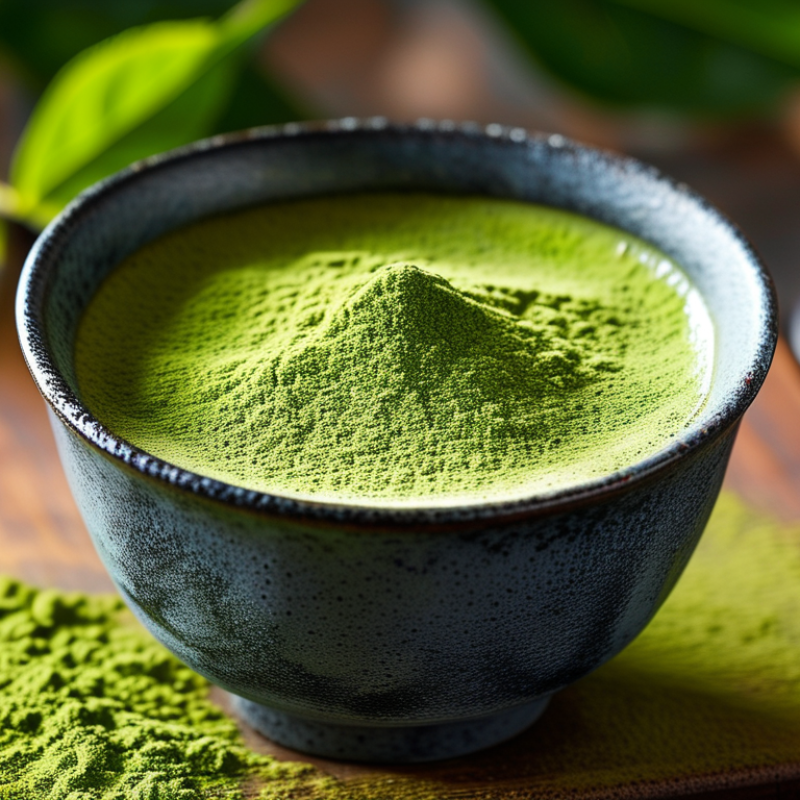
How to Choose the Best Culinary Matcha Powder for Cooking?

Understanding the Different Types of Culinary Matcha Powder

When selecting culinary matcha powder, it’s crucial to understand its types. Not all matcha is created equal. Culinary matcha typically falls into two categories: ceremonial grade and culinary grade. Ceremonial grade matcha is vibrant green and ideal for whisking in hot water. Its flavor is delicate. Culinary grade, on the other hand, is more robust and often used in recipes. It holds up well in cooking and baking.

Tips for choosing the right type include checking the color. A bright green hue signifies higher quality. Look for a powder that is finely ground. This ensures a smooth texture in your dishes. Be mindful of the packaging as well. Matcha should be stored in a cool, dark place to maintain its freshness.

Another point to consider is flavor. Culinary matcha has a more intense, grassy taste. This can enhance savory dishes and desserts alike. Try using it in smoothies or as a seasoning. Experiment with amounts to find the right balance for your palate. Stay open to adjustments. Each recipe may need a different type of matcha for the best results.

Evaluating Quality: What to Look for in Culinary Matcha

When evaluating culinary matcha powder, quality is paramount. Look for vibrant green color; this indicates freshness and high chlorophyll content. Dull or yellowish hues suggest lower quality and older leaves. The texture should be fine and silky, allowing for easy blending into recipes. Coarse matcha may lead to grainy outcomes in your dishes.

Authentic culinary matcha often comes from shade-grown tea leaves. This process enhances the flavor profile, offering a rich umami taste. Smell is another crucial factor; a fresh, grassy aroma hints at quality. Beware of overly bitter scents, as they often signal inferior matcha.

Taste tests are invaluable. High-quality matcha should be sweet and smooth, with no astringent aftertaste. It’s also key to consider how you plan to use it. Some matchas suit beverages, while others work best in baked goods. Experimenting with different types may lead to unexpected culinary discoveries. Remember, not all matcha is created equal, and your choices can greatly affect your final dish.

Determining Flavor Profiles Suitable for Cooking

When selecting culinary matcha powder for cooking, the flavor profile is crucial. Different grades of matcha offer varying tastes, which can significantly impact your dish. Culinary matcha, often more bitter and robust, is designed for incorporation into recipes. It holds up well against other strong flavors, making it ideal for baking or savory dishes.

A study by the U.S. Department of Agriculture indicates that culinary matcha may have lower antioxidant levels compared to ceremonial grades. However, its versatility makes it a popular choice among chefs. The umami taste, described by some experts as a savory richness, intertwines seamlessly with dishes.

Not all matcha powders are created equal. Some may possess a chalky texture, altering the final dish's mouthfeel. It is vital to experiment with different brands to pinpoint what best fits your culinary needs. Taste testing can reveal subtle variations that impact your recipe differently. Consider the degrees of sweetness or bitterness, essential in finding the perfect balance.

Matching Culinary Uses with the Right Grade of Matcha

When selecting culinary matcha powder, understanding its grades is essential. Different grades serve various culinary purposes. Ceremonial matcha is ideal for traditional tea preparation. However, culinary matcha is better suited for baking and cooking. Culinary matcha often has a more robust flavor and lower price point. You can create delightful dishes without breaking the bank.

For baking, choose a vivid green culinary grade. This ensures that the matcha retains its color and flavor in your final products. You might experiment with cookies or cakes. A slightly bitter taste can add depth to sweets. Using lower grades for savory dishes can also enhance flavors. Pairing matcha with miso can create unique sauces for grilled fish.

Not all matcha is created equal. Some culinary matcha may not dissolve well, leading to clumps in your dishes. Always sift the powder before incorporating it into recipes. Experimentation is part of the process. There might be times when the flavor is not as you expected. Embrace these moments for learning. Adjust your quantities or combine with other ingredients for balance. Learning to choose the right grade of matcha enhances your culinary skills.

Storage Tips for Preserving Culinary Matcha Freshness

When it comes to preserving the freshness of culinary matcha powder, proper storage is crucial. Keep it in an airtight container. This protects it from moisture and air, which can degrade its quality. Choose a container made of dark glass or opaque material. Light can also diminish its vibrant color and flavor.

Store the container in a cool, dark place. Avoid areas that experience temperature fluctuations, such as near ovens or stoves. High humidity is also detrimental, so avoid bathrooms or near sinks. It's wise to use the powder within a few months of opening. If you notice any change in color or smell, it may be time to discard it.

Regularly check your matcha's texture and aroma to ensure it remains fresh. Sometimes, we overlook signs of spoilage. This can lead to disappointing results in cooking. Take a moment to reflect on how you store your culinary ingredients. Freshness can significantly influence taste and quality in your dishes.

Contact Us

We offer a just-in-time delivery solution supplying the highest quality materials to our customers. Get in touch today and learn how we can help your company.

Get in touch