How to Choose the Best Stainless Steel Mixing Tank for Your Needs?
Choosing the right stainless steel mixing tank is crucial for various industries, including food production, pharmaceuticals, and chemicals. According to a recent report by MarketsandMarkets, the global stainless steel tank market is projected to reach $5 billion by 2025, driven by increasing demand for energy-efficient and durable mixing solutions. This trend underscores the importance of understanding your specific needs when selecting a tank.
Factors such as tank size, mixing capacity, and material thickness can significantly impact your operation's efficiency. For instance, a poorly chosen tank may lead to inefficient mixing or contamination, jeopardizing product quality. It's vital to assess your process requirements and choose a stainless steel mixing tank that meets those specifications. However, finding the “perfect” tank often involves compromises, as each design has its advantages and limitations.
While expert recommendations can guide you, it's essential to reflect on your unique situation. Industry standards can provide a baseline, but personal experience plays a crucial role. You may find that what works for one manufacturer does not suit your specific needs. Balancing durability, efficiency, and cost is an ongoing process that requires careful consideration.
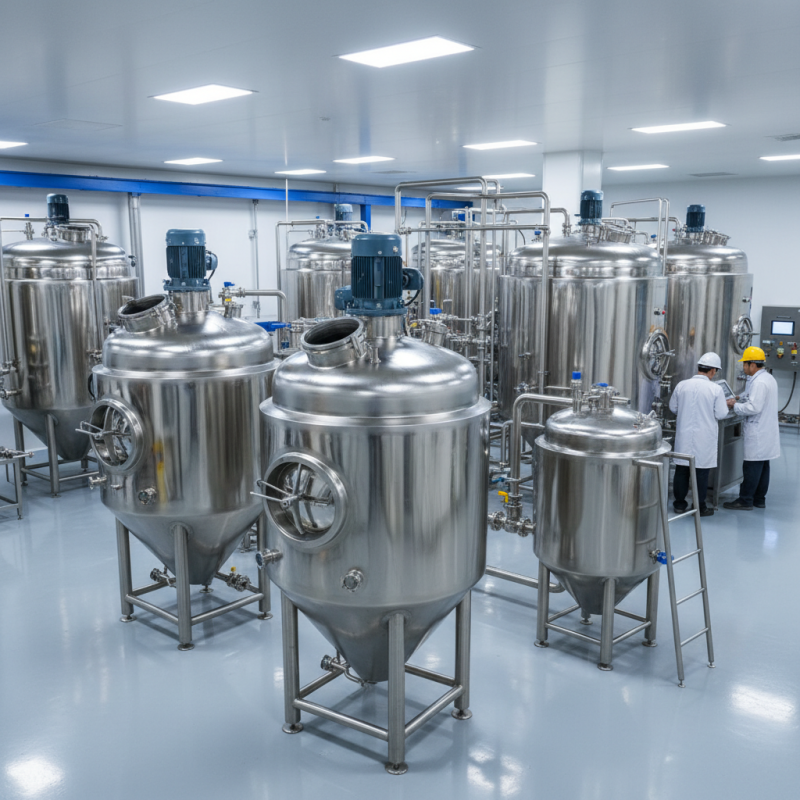
Understanding the Different Types of Stainless Steel Mixing Tanks
When selecting a stainless steel mixing tank, it’s crucial to understand the various types available. There are several designs suited for different applications. You might encounter open-top tanks, ideal for easy access during mixing. These are popular in food and beverage industries. Closed tanks, on the other hand, prevent contamination and are perfect for chemical processes.
Another factor to consider is the tank's capacity. Small tanks work well for limited production, while larger options accommodate high-volume needs. Take note of the material grade. Higher quality stainless steel offers better resistance to corrosion and heat. It’s essential to ensure durability, as repairs can be costly.
You must also reflect on the mixing method. Agitator designs vary, impacting mixing efficiency. Some may lack the ability to handle thick mixtures, presenting challenges. Always think about whether the tank meets your specific requirements. Consider not just the initial purchase, but long-term functionality. It's a balance of cost, quality, and adaptability.
Key Factors to Consider When Selecting a Mixing Tank
When selecting a stainless steel mixing tank, keep several key factors in mind. The tank's size matters greatly. Choose a tank that fits your production needs. Too small, and you may face bottlenecks; too large, and you waste space and resources. Consider the material thickness. A thicker stainless steel offers better durability and longevity. Lightweight tanks can wear out quickly under heavy use.
The design of the tank also plays a critical role. Look for features that enhance mixing efficiency. Smooth surfaces are essential for easy cleaning and compliance with health standards. Pay attention to the agitator type as well. Different materials require specific mixing methods.
Don't overlook the tank’s compatibility with your process. Ensure it can handle the temperature and pressure requirements of your production. Reflect on your current and future needs. As your business grows, you might require additional features or capacity. Always prioritize reliability and overall quality when making your choice. Mixing tanks are a long-term investment that requires careful consideration.
Evaluating the Size and Capacity Requirements for Your Application
When choosing a stainless steel mixing tank, size and capacity are crucial. Consider your specific application and the volume you’ll regularly process. According to industry standards, the capacity often ranges from 50 to 5,000 liters. It's essential to assess your operation's needs carefully. A tank too small will hinder efficiency. Meanwhile, an oversized tank can incur unnecessary costs and space issues.
Think about batch sizes and frequency. For example, a food industry operation may require larger capacities for mixing ingredients in bulk. Conversely, smaller sectors like laboratories may benefit from tanks with as little as 20 liters. According to a recent report by Market Research Future, the increasing demand for customized tank sizes is a notable trend. This highlights the importance of evaluating your unique needs.
Location is another factor. Ensure the tank fits well within your facility. Accessibility and maintenance are vital. A poorly situated tank can lead to inefficiencies and safety concerns. Many operators overlook this aspect, leading to complications down the line. Emphasizing practical dimensions can significantly enhance operation quality in the long run.
Mixing Tank Size and Capacity Requirements
Assessing the Quality and Specifications of Stainless Steel Materials
When selecting a stainless steel mixing tank, understanding the quality of materials is crucial. Stainless steel comes in various grades, each impacting durability and functionality. Common grades include 304 and 316, with 316 offering superior corrosion resistance. This is vital for industries like food processing, where cleanliness and durability are paramount.
Evaluating the specific grade for your needs ensures long-term use and reliability.
Another important specification is the tank's construction. Look for tanks with welded seams rather than bolted edges. Welds provide a more secure seal, reducing the risk of leaks. The thickness of the stainless steel also affects longevity. A thinner gauge may save costs but could require more frequent replacements.
Always consider how the tank’s design meets your specific operational requirements.
Further, ensure the tank is properly polished. A smooth surface reduces bacteria growth, making it easier to clean. It’s also important to reflect on the tank's capacity and dimensions. Assessing your production needs against these factors can prevent costly mistakes.
Quality and specifications are not just numbers; they represent your investment in efficiency and safety.
Reviewing Additional Features and Accessories for Mixing Tanks
When selecting a stainless steel mixing tank, considering additional features can significantly enhance functionality. Many tanks now come with options like heating jackets and insulation. These features can maintain temperature during mixing processes. However, they can also increase costs and maintenance needs.
Another important accessory is an effective agitation system. Various designs, such as magnetic or mechanical agitators, cater to different mixing requirements. A poorly chosen agitation method can lead to inconsistent mixtures. This might require additional time and effort to achieve desired results.
Monitoring equipment, such as temperature and pressure gauges, can provide more control over mixing conditions. It’s essential to evaluate how these enhancements fit your specific needs. Think about where you might encounter challenges with your mix. Sometimes, the simplest solution is the best approach, avoiding unnecessary complexities.