How to Choose the Best Cosmetic Raw Material for Your Products?

Choosing the best cosmetic raw material is crucial for product success. As Dr. Sarah Lee, a renowned expert in cosmetic chemistry, states, "The right raw materials define the quality of your products." Understanding this principle can dramatically enhance a brand’s reputation.

Selecting cosmetic raw materials is challenging. Countless options exist, each with unique properties. Brands often overlook the sourcing process. Factors like sustainability and ethical practices matter. Consumers are increasingly aware of these aspects, demanding transparency. Skipping details may lead to negative perceptions.

It's vital to evaluate the purpose behind each ingredient. Transparency and quality should never be compromised. Yet, brands must balance innovation and cost. Some ingredients offer superior performance but come with higher price tags. Constant reflection on these choices is essential for long-term success in the cosmetic industry.
How to Choose the Best Cosmetic Raw Material for Your Products?

Understanding Cosmetic Raw Materials and Their Importance

Understanding cosmetic raw materials is vital for anyone in the beauty industry. These ingredients serve as the foundation of any product. They affect texture, stability, and overall performance. For instance, oils can provide moisture but might feel greasy if overused. Balancing is key.

Choosing ingredients involves reflection. Not every raw material suits every product type. Some might irritate sensitive skin or cause allergic reactions. Testing is essential. It's important to evaluate how a material interacts with others. Transparency in sourcing is also crucial. Consumers are increasingly savvy about what they apply to their skin.

The importance of quality cannot be overstated. Poor quality materials can lead to product failure. This can result in wasted resources and lost trust. It’s a cycle that needs careful attention. Remember, the right ingredient can elevate a brand, while the wrong choice can tarnish its reputation.
Identifying Key Features and Functions of Cosmetic Ingredients

When selecting cosmetic raw materials, understanding their key features and functions is crucial. Ingredients like emollients provide moisture and softness to the skin. They create a barrier to prevent water loss, which is essential for dry skin types. Similarly, humectants attract water and help retain it, enhancing hydration levels. But not every humectant works for all skin types. Testing is needed to determine the best fit.

Active ingredients bring specific benefits. Antioxidants fight free radicals, which can harm skin health. They promote a youthful appearance. However, choosing the right concentration is vital for effectiveness. Too low might not yield results, while too high can cause irritation. Additionally, consider the pH levels of ingredients. Balance is necessary. An unsuitable pH can disrupt skin’s natural barriers.

Manufacturers often overlook the importance of sourcing. Quality varies widely among raw materials. Ethical sourcing should be a priority. It might not always be feasible, but more transparency can enhance product integrity. In this ever-evolving market, continuous learning and adaptation are important. Keeping track of trends, regulations, and consumer preferences is essential for success.

How to Choose the Best Cosmetic Raw Material for Your Products? - Identifying Key Features and Functions of Cosmetic Ingredients

Ingredient Key Features Common Functions Usage Rate
Hyaluronic Acid Moisturizing, Elasticity Hydration, Anti-aging 0.1% - 2%
Shea Butter Emollient, Rich in Vitamins Moisturization, Skin Nourishment 5% - 20%
Salicylic Acid Exfoliating, Anti-inflammatory Acne Treatment, Pore Cleansing 0.5% - 2%
Vitamin C Antioxidant, Skin Brightening Even Skin Tone, Anti-aging 5% - 15%
Jojoba Oil Lightweight, Closely Resembles Skin Oil Moisture Balance, Soothing 1% - 10%

Evaluating Safety and Regulatory Standards for Raw Materials

How to Choose the Best Cosmetic Raw Material for Your Products?

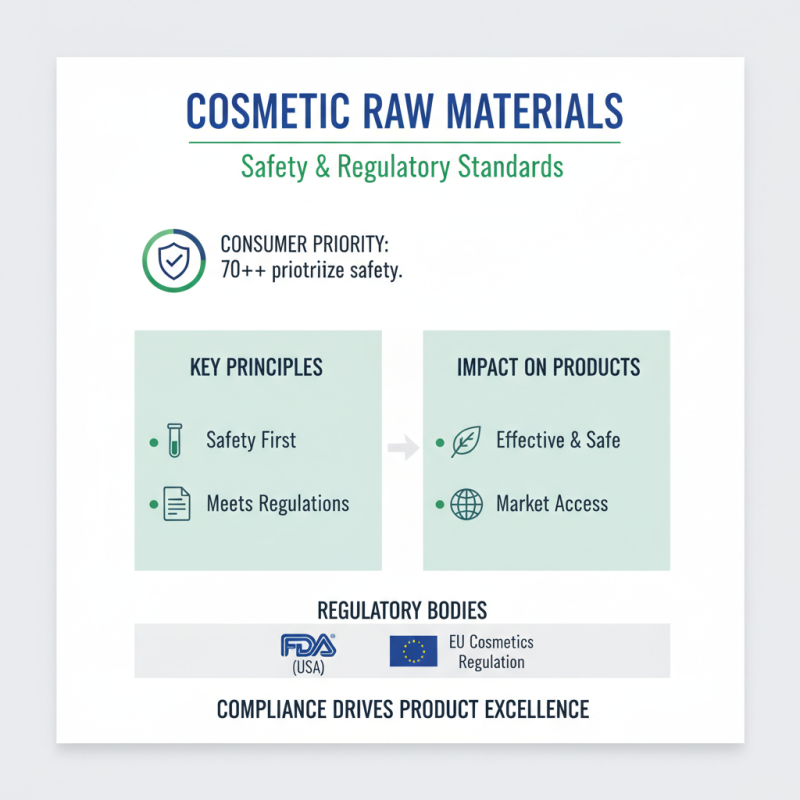
When selecting cosmetic raw materials, safety and regulatory standards are paramount. Various reports indicate that over 70% of consumers prioritize safety in personal care products. Meeting regulatory standards ensures that these materials are not only effective but also safe for use. Compliance with guidelines from organizations such as the FDA or EU regulations can significantly affect product formulation choices.

The cosmetic industry faces an array of challenges. In 2021, a study revealed that nearly 40% of cosmetic brands struggled to keep up with changing regulations. Some materials may seem ideal but lack sufficient safety data. It is crucial to thoroughly evaluate toxicity reports and potential allergens. Scanning ingredient databases can reveal hidden risks.

Moreover, not all raw materials carry the same level of scrutiny. The rising popularity of natural ingredients doesn't guarantee safety. For instance, botanical extracts can cause allergic reactions without prior warning. Consumers advocate for transparency. Brands must tread carefully to avoid negative repercussions. Balancing effectiveness with safety might lead to tough decisions.

Assessing Quality and Source of Cosmetic Raw Materials

When selecting cosmetic raw materials, assessing their quality and source is essential. Higher quality ingredients lead to better products. Look for suppliers who provide transparent information about their sourcing practices. This can significantly impact the effectiveness and safety of your formulations.

Tips: Always request samples. This enables you to evaluate texture and scent. Testing small batches can save you from larger costly mistakes. Research the suppliers’ backgrounds too. Understanding their commitment to sustainability and ethical practices is crucial.

Many raw materials may seem effective but can have hidden issues. Consider the potential for allergens or environmental impact. Take the time to read reviews or case studies from other businesses. This reflects the raw materials' real-world performance. Always remain critical of the information you receive. A careful approach will lead to better choices for your cosmetic line.

How to Choose the Best Cosmetic Raw Material for Your Products?

Tips for Sourcing and Selecting Suppliers of Cosmetic Ingredients

When selecting suppliers for cosmetic ingredients, quality is crucial. The global cosmetic market is projected to reach over $800 billion by 2025. This underscores the need to choose the best raw materials. Quality directly affects product performance and customer satisfaction. Poor ingredient choices can lead to subpar products and lost sales.

To ensure quality, consider sourcing from suppliers with transparent practices. Look for those who provide certificates of analysis. It helps to guarantee consistency in their products. Moreover, check if they follow Good Manufacturing Practices (GMP). Many suppliers may claim high standards, but only a few truly adhere to them.

When evaluating suppliers, think about their reliability. Shipping delays or ingredient shortages can disrupt your production. Communication is key. If a supplier is unresponsive during the initial inquiry, it’s a red flag. Lastly, try to visit suppliers’ facilities if possible. Seeing operations in person can provide valuable insights. These steps can help you build a solid foundation for your cosmetic products, ensuring they meet consumers' evolving expectations.

Contact Us

We offer a just-in-time delivery solution supplying the highest quality materials to our customers. Get in touch today and learn how we can help your company.

Get in touch