How to Choose the Best Picolaser Device for Your Needs?

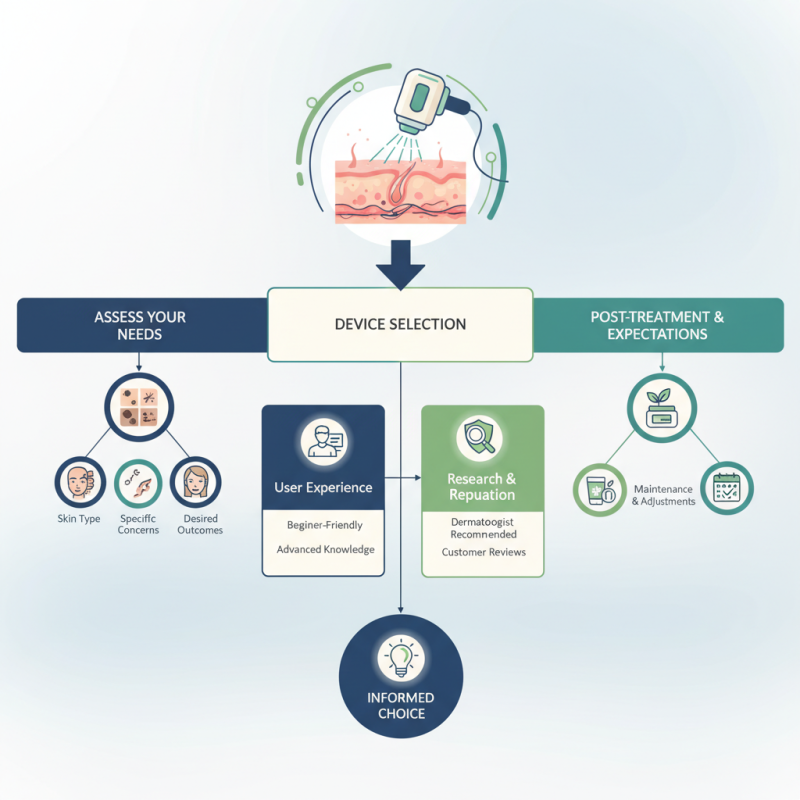
Choosing the right Picolaser Device can be daunting. With numerous options on the market, it’s crucial to understand your specific needs first. Factors such as skin type, specific concerns, and desired outcomes all play a role in your decision.

Consider your experience level with laser devices. Some models are user-friendly, while others may require advanced knowledge. Research is essential to select a reputable brand. Look for devices backed by dermatologists or certified professionals. Robust customer reviews can also offer insight into their effectiveness.

Do not overlook the importance of aftercare. A high-quality Picolaser Device should come with guidance on post-treatment care. Be prepared for ongoing maintenance and adjustments as your skin responds. Reflect on what you expect from the device, as clarity will help you make an informed choice.
How to Choose the Best Picolaser Device for Your Needs?

Understanding Picolaser Technology and Its Benefits

Picolaser technology utilizes high-precision laser beams to target specific skin concerns. This type of laser is especially effective for tattoos, pigmentation, and skin rejuvenation. Research indicates that picolasers can deliver faster treatment times while minimizing discomfort. A study by the American Society for Dermatologic Surgery found that 90% of patients reported satisfaction after their first treatment.

One of the key benefits of picolaser technology is its ability to break down pigment particles more efficiently. This can lead to quicker recovery times and less risk of scarring. The shorter pulse duration, measured in picoseconds, differentiates picolasers from traditional lasers. This innovation leads to better results in treating various skin conditions, making them a preferred choice for dermatologists.

However, not all picolaser devices are created equal. Factors like wavelength, energy output, and pulse duration can affect treatment outcomes. Consumers need to research and consult professionals who can evaluate their specific needs. The effectiveness of a picolaser often depends on the skin type and condition being treated. Keeping realistic expectations is crucial. Each patient's response can vary, prompting the need for tailored treatment plans.

Understanding Picolaser Technology and Its Benefits

Key Features to Look for in a Picolaser Device

When selecting a picolaser device, understanding key features can significantly impact results. Look for wavelength versatility. Studies show that wavelengths targeting specific skin issues enhance treatment effectiveness. A wavelength range of 532 nm to 1064 nm is often ideal. This ensures adaptability to various skin types.

Energy delivery is also crucial. Devices with adjustable energy levels provide personalized treatments. Reports indicate that higher energy settings lead to better outcomes, but safety must be prioritized. The device's cooling mechanism plays a key role in patient comfort and skin protection. Effective cooling systems reduce the risk of damage.

Finally, assess the ease of use. Some devices require extensive training, which may not be feasible for all practitioners. A user-friendly interface enhances efficiency. Consider also the device's maintenance needs. High upkeep can lead to increased operational costs. Invest time in evaluating these aspects to make an informed choice. Balancing all features can be challenging, yet it's vital for optimal performance and patient satisfaction.

Assessing Your Skin Type and Treatment Goals

When selecting a picolaser device, understanding your skin type is crucial. Different skin types react uniquely to laser treatments. For instance, individuals with darker skin tones may experience a higher risk of hyperpigmentation post-treatment. According to the American Society for Dermatologic Surgery, about 30% of patients experience less-than-desired results due to improper device selection for their skin type.

Your treatment goals also play a pivotal role. Are you targeting fine lines, acne scars, or pigmentation issues? Each outcome requires specific wavelengths and settings. A report from the Journal of Cosmetic and Laser Therapy indicates that tailored picolaser treatments improve results by as much as 25%. This shows a clear link between customized care and patient satisfaction.

Moreover, consider your skin's sensitivity and healing capacity. Some patients might notice prolonged redness or swelling post-treatment. The duration may vary widely based on individual skin responses. A recent study found that nearly 20% of patients reported unexpected reactions. This statistic highlights the importance of realistic expectations and thorough consultations with dermatology professionals.

Comparing Different Picolaser Brands and Models

When comparing different picolaser brands and models, it's essential to evaluate factors such as wavelength, pulse duration, and energy output. These parameters affect treatment outcomes, healing time, and skin type compatibility. Some devices excel in pigmented lesions, while others work better for vascular concerns. Understanding these distinctions can guide you toward a suitable choice.

Expert reviews can be a valuable resource, but don’t rely solely on them. User feedback often provides insights not covered in professional critiques. Test devices, when possible, for comfort and effectiveness. A hands-on experience can sometimes reveal a machine's limitations that go unnoticed in written reviews.

**Tips:** Look for devices that offer customizable settings. Adjustable parameters can cater to individual skin types. Understand the importance of training in using these devices. An experienced professional can achieve better outcomes. Reflect on your specific needs and desired results before making a decision.

Consulting with Professionals Before Making a Purchase

Consulting with professionals is crucial when selecting a picolaser device. Their expertise can guide you through the complex features and technologies available. Not all devices are created equal, and the wrong choice can lead to disappointing results. Professionals can assess your specific skin concerns and help you understand which device aligns with your goals.

During consultations, ask specific questions about technology, safety, and expected outcomes. A knowledgeable expert will provide insights into how different devices function. They can also share experiences from past clients, enhancing your understanding. Remember, the opinions of those who use and recommend these devices matter significantly.

Some may feel overwhelmed when faced with technical jargon. It’s okay to seek clarification. A professional should be patient and willing to explain. Share your concerns openly; they should guide you without pressure. Finding the right fit is essential, and it often takes a thoughtful approach and ongoing dialogue. Listen to their feedback and weigh your options carefully.

Contact Us

We offer a just-in-time delivery solution supplying the highest quality materials to our customers. Get in touch today and learn how we can help your company.

Get in touch