Top Construction Chemicals Trends to Watch in 2026?

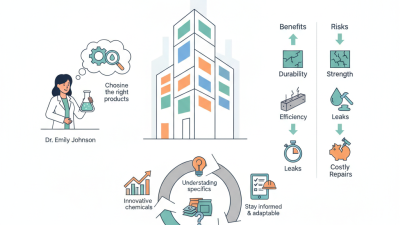
The construction industry is evolving rapidly. One of the driving forces behind this change is construction chemicals. These materials enhance durability, safety, and efficiency in building processes. As we look toward 2026, several key trends are emerging.

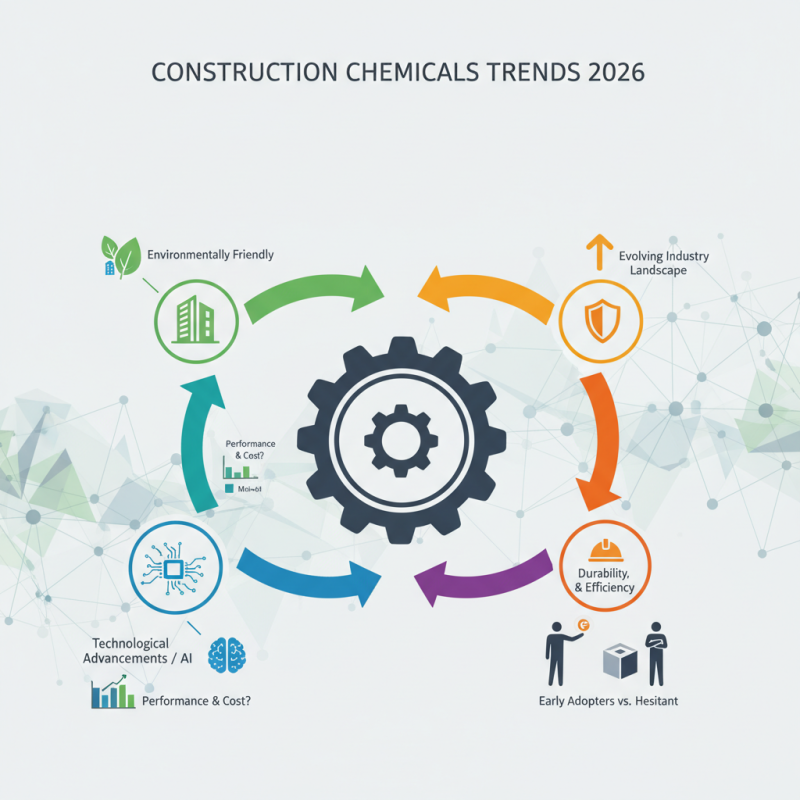
First, there is a growing demand for environmentally friendly construction chemicals. Builders are prioritizing sustainable options. This shift reflects a broader societal move toward eco-conscious practices. However, this raises questions about performance and cost. Are green alternatives as effective as traditional ones? This is a consideration for many in the industry.

Moreover, advancements in technology are revolutionizing how construction chemicals are developed and applied. Smart technologies, such as artificial intelligence, are shaping formulations and logistics. Yet, not all companies are ready to adapt. A gap remains between early adopters and those hesitant to change. Understanding these trends can help industry professionals stay competitive and informed in the evolving landscape of construction chemicals.
Top Construction Chemicals Trends to Watch in 2026?

Emerging Technologies in Construction Chemicals for 2026
Top Construction Chemicals Trends to Watch in 2026?

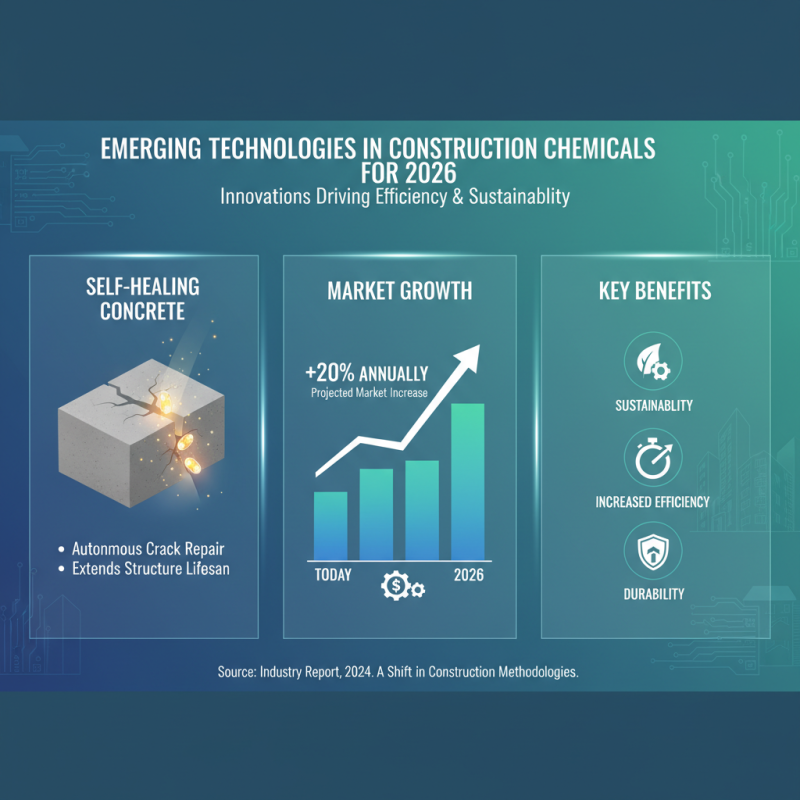
The construction chemicals sector is evolving rapidly, driven by emerging technologies that promise efficiency and sustainability. Innovations such as self-healing concrete are gaining traction. Research shows this technology can extend the lifespan of structures by repairing cracks autonomously. According to a recent industry report, the market for these advanced materials is projected to grow by 20% annually, highlighting a significant shift in construction methodologies.

Nanotechnology is another trend set to reshape the industry in 2026. By incorporating nanoparticles into construction chemicals, manufacturers can improve performance and durability. For instance, concrete enhanced with nanomaterials demonstrates better resilience against environmental factors. An estimated 15% reduction in cement usage through these technologies could mitigate environmental impacts.

Additionally, digitalization is transforming product formulation processes. Companies now utilize artificial intelligence to optimize chemical mixtures. This not only ensures better quality control but also reduces waste. However, reliance on technology poses challenges, such as the need for upskilling the workforce. The construction chemicals industry must navigate these uncertainties while embracing innovations to stay competitive by 2026.

Sustainable Practices in Construction Chemistry and Their Impact

Sustainable practices in construction chemistry are gaining momentum. As we move towards 2026, the focus on eco-friendly materials is evident. Chemical formulations are evolving, emphasizing reduced environmental impacts. Many companies aim to lower carbon footprints through innovative products. The use of recycled materials in construction chemicals is another promising trend.

Research shows that sustainable additives can enhance durability and performance. This aligns with green building standards. These practices not only address environmental concerns but also offer economic benefits. Cost savings from reduced energy use are notable. However, the transition may challenge traditional practices, requiring careful evaluation.

Tips: Start small with sustainable materials in your projects. Track performance metrics to gauge their impact. Collaborate with suppliers focused on eco-friendly solutions. These steps help adapt to changing trends effectively.

Top Construction Chemicals Trends to Watch in 2026

Innovations in Eco-friendly Materials for Construction Applications

Top Construction Chemicals Trends to Watch in 2026?

The construction industry is evolving, focusing on eco-friendly materials. Innovations are critical, pushing boundaries in sustainability. Recent studies indicate a growing demand for greener options in building materials. Architects and builders are prioritizing products that minimize environmental impact.

Bio-based materials are gaining traction. These include products made from renewable resources, like plant fibers. They offer significant advantages over traditional materials, enhancing sustainability. However, sourcing these materials can be challenging. Not all regions have access to the necessary resources, which may limit their widespread adoption.

Recycling is another area of focus. New technologies are emerging to make construction waste a valuable resource. This promotes a circular economy within the industry. Yet, there are hurdles to overcome. Effective recycling processes need to be developed to ensure materials recover their integrity. Designing buildings with deconstruction in mind can facilitate this process. The future of construction depends on balancing innovation and practical challenges.

Regulatory Changes and Their Effects on Construction Chemical Trends

Regulatory changes are reshaping the construction chemicals landscape. In 2026, new environmental compliance standards will prioritize sustainability. These changes will influence formulation requirements and limit harmful substances in products. Reports suggest that by 2025, around 70% of construction chemicals will adhere to these stricter regulations.

The impact of regulatory shifts can lead to innovation but also challenges. Companies must invest in research to meet new guidelines. For instance, the development of bio-based materials appears promising, but they may require substantial R&D resources. According to industry data, the global green building market is expected to reach $1 trillion by 2026. This presents both opportunities and pressure for manufacturers to adapt quickly.

Market players may struggle with compliance costs. Smaller firms might find it difficult to innovate under these new constraints. The compliance process can be daunting. In contrast, larger companies may leverage resources to lead in sustainable solutions. However, achieving compliance without sacrificing performance remains a significant hurdle. This industry reflects a complex balance between adhering to regulations and developing high-quality products.

Market Dynamics and Forecasts for Construction Chemicals in 2026

The construction chemicals market is evolving rapidly. In 2026, we anticipate several significant trends shaping this sector. A focus on sustainability is essential. Companies are increasingly adopting eco-friendly materials and practices. This shift not only meets regulatory requirements but also aligns with consumer demand for greener solutions.

Technological advancements will play a key role in enhancing product performance. Innovations in formulation chemistry are expected to lead to more durable and efficient materials. However, integrating these technologies presents challenges. The industry must invest in research and development to ensure reliability and efficacy.

Additionally, market dynamics are influenced by economic factors. The push for infrastructure development in emerging markets creates both opportunities and challenges. Prices for raw materials fluctuate, impacting project budgets. Companies may need to rethink their pricing strategies and supply chains. This evolving landscape requires careful planning and adaptability from all stakeholders involved.

Contact Us

We offer a just-in-time delivery solution supplying the highest quality materials to our customers. Get in touch today and learn how we can help your company.

Get in touch