Why Cosmetic Raw Material is Essential for Your Beauty Products?

In the beauty industry, the choice of cosmetic raw material defines product quality. These materials enhance the effectiveness and appeal of beauty products. High-quality ingredients can significantly impact a consumer's experience.

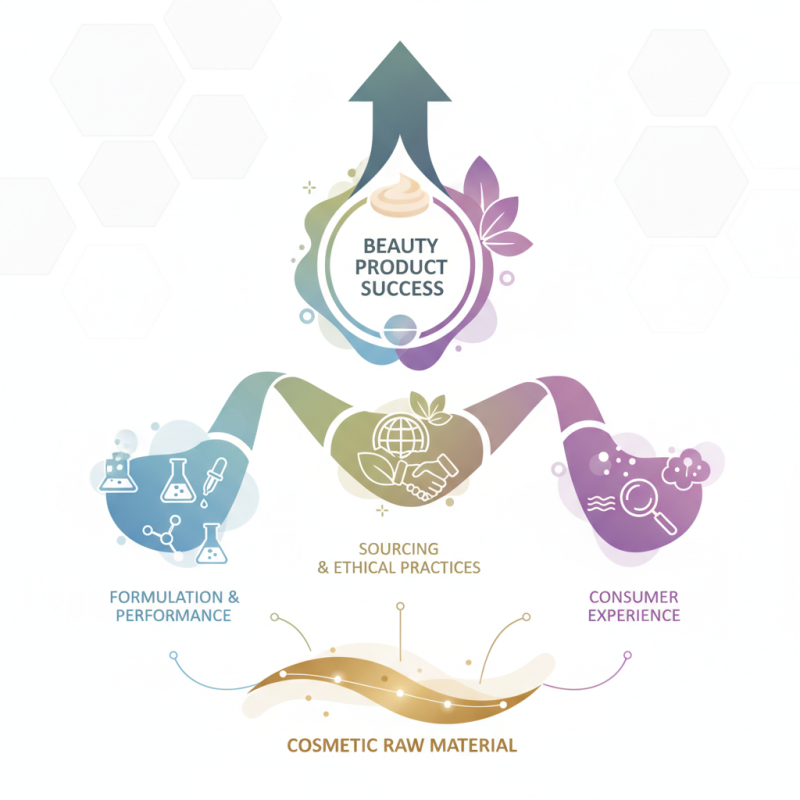
Think about a cream's texture or a lip balm's scent. Each element is influenced by the raw materials used. Quality cosmetic raw materials lead to better formulation and performance. However, not all ingredients are created equal. Some may lack the benefits they promise, leading to consumer disappointment. This raises questions about sourcing and ethical practices.

As consumers become more aware, the demand for transparency grows. Brands must consider how they source their cosmetic raw materials. They need to be better, more sustainable. Choosing the right ingredients is more important than ever. Ultimately, the success of beauty products depends on the quality of their foundations.
Why Cosmetic Raw Material is Essential for Your Beauty Products?

Understanding the Role of Cosmetic Raw Materials in Product Formulation

In the world of beauty products, cosmetic raw materials are the backbone of effective formulation. These ingredients provide the essential properties that enhance product performance. They can determine texture, stability, and overall effectiveness. For example, oils and emulsifiers help create smooth, nourishing creams. Meanwhile, pigments offer vibrant colors, making cosmetics appealing and usable.

While sourcing high-quality raw materials is crucial, many brands face challenges. Not all suppliers meet the same standards. This inconsistency can lead to compromised product quality. Additionally, some materials may cause allergic reactions or irritations. These factors highlight the need for thorough testing and evaluation. Understanding ingredient interactions is vital to creating safe products. It demands a level of expertise that not every formulation team possesses.

Formulating beauty products also involves ethical considerations. Some raw materials may raise environmental concerns. Choosing sustainable options is becoming more critical for many companies. Balancing ethical practices with efficacy is a complex task. Brands should continuously reflect on their choices. It is important to ask: are we doing enough? Quality raw materials can elevate beauty products, but only if they are responsibly sourced and thoughtfully used.
Key Types of Cosmetic Raw Materials and Their Functions

Why Cosmetic Raw Material is Essential for Your Beauty Products?

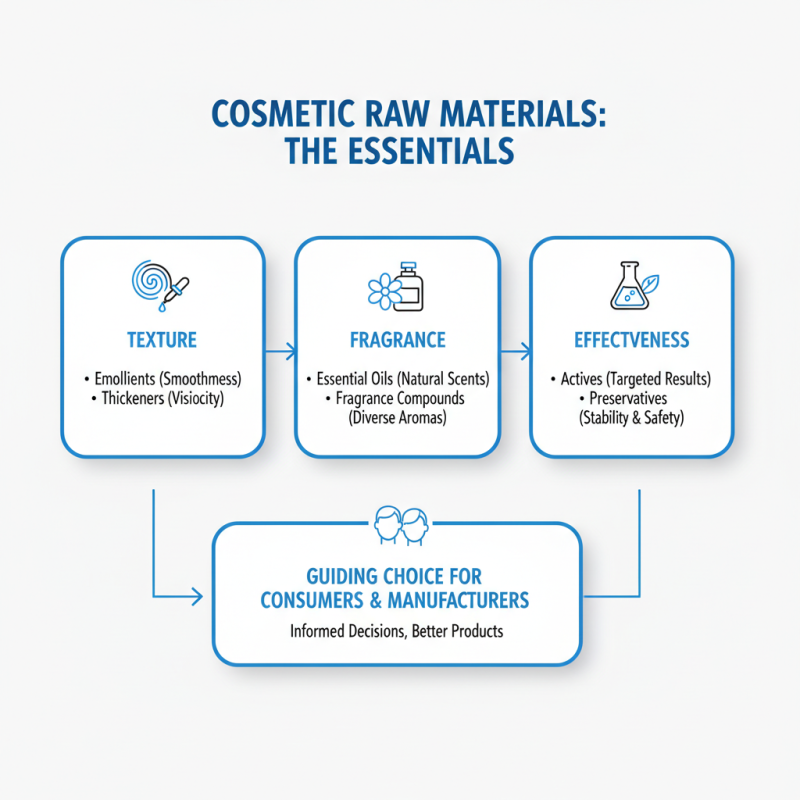
Cosmetic raw materials play a vital role in the creation of beauty products. They determine the texture, fragrance, and effectiveness of formulations. Understanding these materials can guide consumers and manufacturers alike in their choices.

Emollients are essential for skin hydration. They create a barrier on the skin, preventing moisture loss. Common emollients include oils and butters. They give products their smooth and luxurious feel but can sometimes feel greasy if overused. Finding the right balance is key.

Surfactants serve as cleansing agents. They help remove dirt and oil from the skin and hair. However, some surfactants can be harsh and irritate sensitive skin. It's essential to choose gentle options. Consider testing products for irritation before full use.

**Tip:** Always check the ingredient list. Look for natural alternatives when possible. They are often gentler on the skin. Small changes can lead to significant improvements. Experiment carefully with different formulations to discover what truly works for your needs.

Market Trends: The Growing Demand for Natural and Organic Ingredients

The market for beauty products is shifting. Consumers are increasingly seeking natural and organic ingredients. This trend is driven by a growing awareness of skin health and safety. Many individuals now prefer products free from synthetic chemicals. They want to feel good about what they apply to their skin.

This demand creates a challenge for manufacturers. Sourcing high-quality, natural raw materials can be complex. Not all suppliers are trustworthy or sustainable. Transparency in sourcing is crucial. Consumers want to know where ingredients come from. They want products that are not only effective but also ethically produced. This adds pressure on brands to meet these expectations while maintaining quality.

However, not all natural ingredients are perfect. Some may cause irritation or allergic reactions. Effective formulation requires careful selection. Understanding individual skin types is vital. Often, trial and error is necessary. This imperfect journey is part of the beauty industry. Brands must continuously innovate and adapt to meet consumer needs while respecting the environment.

Why Cosmetic Raw Material is Essential for Your Beauty Products?

Regulatory Standards and Safety Considerations in Cosmetic Ingredients

Why Cosmetic Raw Material is Essential for Your Beauty Products?

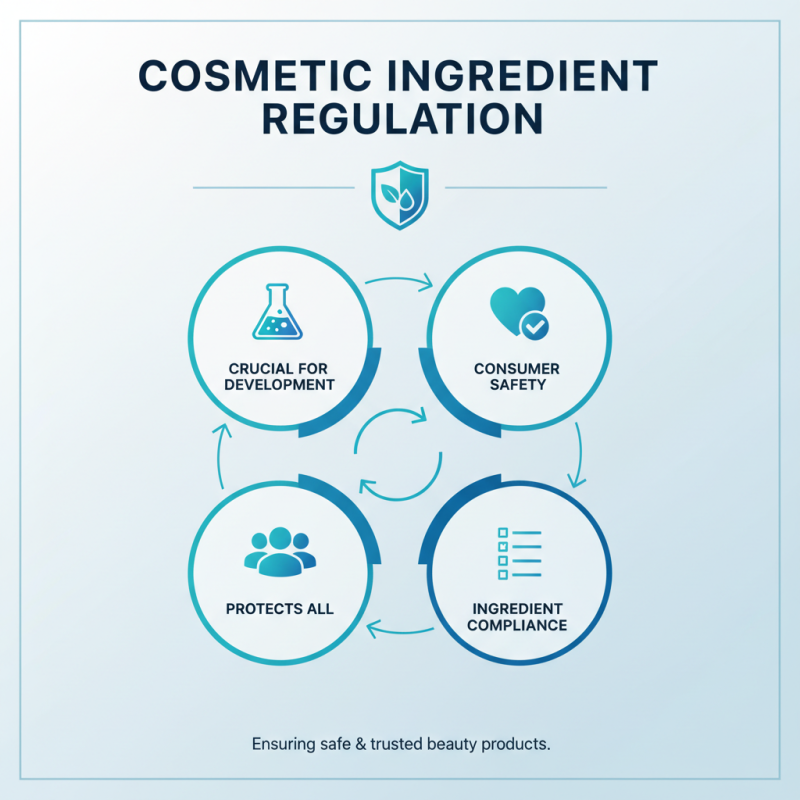
When developing beauty products, understanding regulatory standards for cosmetic ingredients is crucial. Many consumers overlook this aspect. Safety considerations ensure that the products we use daily do not cause harm. Ingredients listed on packaging must comply with established guidelines. This compliance protects both manufacturers and consumers.

Tips for checking ingredient safety: Look for certifications. They provide assurance about the product's safety. Also, research ingredient lists. Some components may cause allergic reactions. If unsure, consult with a dermatologist or conduct patch tests.

Navigating the world of cosmetic raw materials can be daunting. Not all ingredients are safe for everyone. Some may have hidden effects that aren’t immediately apparent. Transparency from companies about their raw materials is often insufficient. Always seek out products that disclose their sources. It’s a small step towards making informed choices.

Impact of Quality Raw Materials on Product Efficacy and Brand Trust

The quality of raw materials plays a pivotal role in the effectiveness of beauty products. High-quality ingredients can enhance hydration, improve skin texture, and provide lasting results. When consumers use a product that contains subpar raw materials, they may experience irritation or no noticeable benefits. This inconsistency can lead to frustration and distrust in a brand.

Moreover, the sourcing and processing of these materials matter significantly. Ethically sourced, natural ingredients often resonate more with consumers. They expect transparency about what goes into their skincare. If a product fails to deliver on its promises, the impact on brand trust can be severe. Customers talk about their experiences, both good and bad. A single negative review can tarnish a brand’s reputation.

However, many brands overlook the importance of detailed ingredient descriptions. A product might feature trendy ingredients without proper context. This can create confusion. Consumers may feel misled when the results do not match their expectations. Building trust requires detailed information and consistent quality. Beauty brands must reflect on their choices and prioritize what truly matters.

Impact of Quality Raw Materials on Product Efficacy and Brand Trust

Raw Material Type Source Impact on Efficacy Impact on Brand Trust
Hyaluronic Acid Biotech High moisture retention, improves skin elasticity Increases customer loyalty due to visible results
Shea Butter Plant-based Deep hydration, prevents moisture loss Promotes ethical sourcing, enhances brand image
Vitamin C Natural and synthetic Brightens skin, reduces signs of aging Supports claims of efficacy, builds credibility
Argan Oil Nut-based Rich in fatty acids, revitalizes hair and skin Enhances customer confidence in product safety
Aloe Vera Natural Soothes skin, promotes healing Cultivates positive brand association with nature

Contact Us

We offer a just-in-time delivery solution supplying the highest quality materials to our customers. Get in touch today and learn how we can help your company.

Get in touch