What is Regenerative Oxidizer and How Does it Work?
Regenerative Oxidizers have become a focal point in industrial emission control. In recent years, the global market for air pollution control devices has witnessed significant growth, projected to reach $24 billion by 2026 according to industry analysts. This technology is essential for industries seeking to minimize volatile organic compounds (VOCs) and hazardous air pollutants (HAPs).
Dr. Emily Chen, a renowned expert in environmental engineering, states, “Regenerative oxidizers are critical in achieving sustainable manufacturing practices.” These systems utilize heat exchange to optimize energy use and enhance efficiency. By reclaiming and reusing thermal energy, regenerative oxidizers can achieve destruction efficiencies of over 95%, representing a remarkable milestone in emissions reduction.
However, the implementation of regenerative oxidizers is not without challenges. High initial costs and complex installation processes can deter many businesses. Understanding the balance between investment and long-term savings is crucial. As industries push for greener technologies, the regenerative oxidizer's role will continue to evolve, demanding constant reflection on its feasibility and efficiency.
Definition and Overview of Regenerative Oxidizers
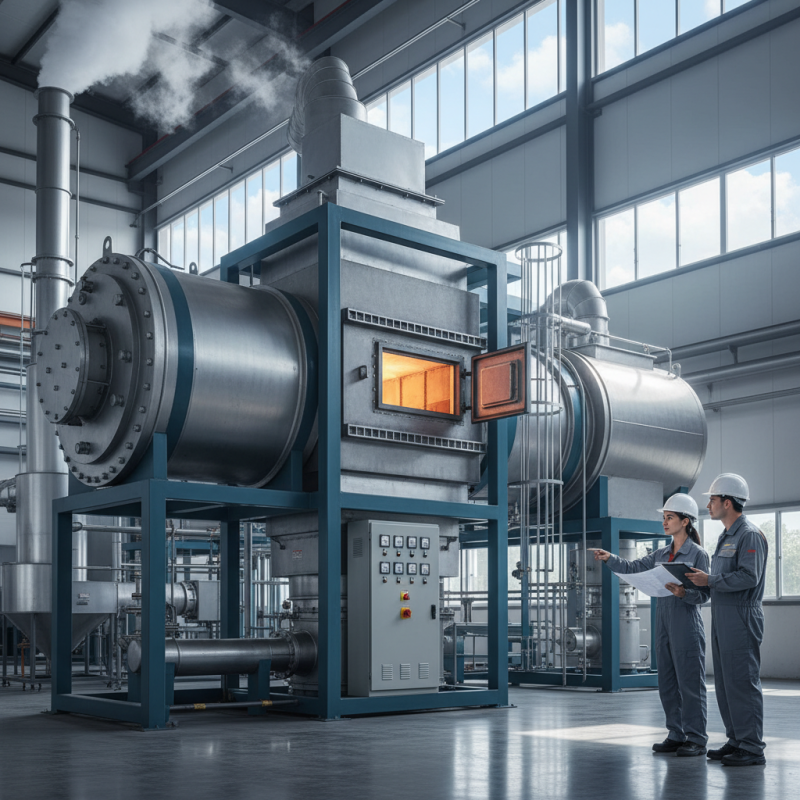
Regenerative oxidizers represent a pivotal advancement in industrial air treatment technology. These systems efficiently remove volatile organic compounds (VOCs) and odor-causing pollutants from exhaust gases. Utilizing dual heat exchange chambers, they capture energy during operation, which can significantly reduce energy consumption. According to the U.S. Environmental Protection Agency, these systems can achieve over 95% destruction efficiency of harmful emissions.
In many facilities, integrating regenerative oxidizers has led to operational costs dropping by up to 50%. This efficiency balance between reducing toxins and conserving energy emphasizes their role in environmental compliance. Companies looking to enhance sustainability practices should consider these systems, especially in industries with stringent air quality regulations. However, the initial investment can be daunting, and proper maintenance is crucial for ensuring longevity and performance.
Tips: Regular inspections and prompt repairs can help maintain an oxidizer’s efficacy. Understanding the specific needs of your operation will guide the selection process. Achieving a successful implementation requires a detailed evaluation of both current emissions and energy usage patterns. Always consider potential operational challenges and plan for potential downtimes when transitioning to a regenerative oxidizer system.
Principle of Operation: How Regenerative Oxidizers Function
Regenerative oxidizers are innovative solutions for controlling volatile organic compounds (VOCs) and other air pollutants. They operate on the principle of heat recovery. In this system, polluted air passes through a heat exchanger, where it is preheated. This process significantly increases the efficiency of the oxidation reaction, reducing the energy needed for combustion.
When the air reaches the oxidization chamber, it reacts with a catalyst at elevated temperatures. Typically, this leads to the breakdown of harmful compounds, converting them into benign substances like carbon dioxide and water. According to a report by the Air and Waste Management Association, regenerative thermal oxidizers can remove over 95% of VOCs. This is crucial for industries aiming to meet strict emission regulations.
Tip: Regular maintenance of the heat exchanger is vital. Ensure all components are functioning to maximize efficiency. Neglected systems can lead to reduced performance.
Another aspect to consider is the necessity of proper training for operators. Inadequate knowledge can result in improper adjustments, affecting performance. Industrial operations should focus on continuous training programs. Understanding the system’s intricacies will lead to better air quality management.
Tip: Consider periodic assessments. Small adjustments can lead to significant long-term savings and improvements in air quality.
Key Components of Regenerative Oxidizer Systems
Regenerative oxidizer systems are crucial in reducing volatile organic compounds (VOCs) and other pollutants. These systems typically include several key components that work together efficiently. The heart of a regenerative oxidizer is the combustion chamber. Here, the waste gases are heated to high temperatures. This process breaks down harmful substances into harmless byproducts. A well-designed chamber ensures maximum oxidation efficiency.
Airflow management is essential in these systems. Regenerative heat exchangers capture heat from exhaust gases. This heat is then transferred to incoming air. The result is reduced energy consumption in the overall process. Each component must be carefully selected to ensure proper function. For instance, the choice of catalyst materials can impact the system’s effectiveness. Regular maintenance of these components is vital. Over time, dirt and other residues can accumulate and affect performance.
Monitoring and control systems play a significant role too. Sensors check temperature and flow rates continuously. This data helps operators make real-time adjustments. However, even with advanced technology, unexpected issues can arise. Operator experience is crucial in troubleshooting these challenges. Each instance provides an opportunity to learn and improve the system's design and functionality.
Advantages of Using Regenerative Oxidizers in Air Treatment
Regenerative oxidizers are gaining popularity in air treatment due to their significant advantages. These systems effectively reduce volatile organic compounds (VOCs) and other harmful pollutants. According to a report by the U.S. Environmental Protection Agency, industrial facilities have reduced emissions by 30% using these technologies. This is crucial for improving air quality in urban environments.
In addition, regenerative oxidizers are energy-efficient. They reuse heat generated during the oxidation process. This leads to lower operational costs and reduced greenhouse gas emissions. A study published in the Journal of Air Quality found that regenerative systems can achieve up to 95% efficiency in VOC destruction. Businesses benefit from this cost-effectiveness, and they contribute positively to environmental sustainability.
However, the initial investment can be high. Companies may hesitate before adopting this technology. Some systems also require significant space for installation. This can be a barrier for smaller facilities. Addressing these challenges is essential for wider adoption. Overall, regenerative oxidizers present a promising solution for cleaner air, although there are obstacles to overcome.
Applications of Regenerative Oxidizers in Industries
Regenerative oxidizers are becoming increasingly vital in various industries. These systems are designed for the efficient removal of volatile organic compounds (VOCs) and hazardous air pollutants (HAPs). Their applications span across sectors like manufacturing, automotive, and food processing. For instance, a report from the Environmental Protection Agency (EPA) indicated that industries using regenerative oxidizers can achieve over 90% destruction efficiency of VOCs.
In automotive manufacturing, regenerative oxidizers contribute significantly to air quality management. They help comply with stringent emission standards. A recent study noted that the market for regenerative thermal oxidizers is projected to grow at a CAGR of 6.5% from 2021 to 2028. This growth is driven by increasing regulatory pressure to reduce emissions. Adopting these systems not only meets legal requirements but also enhances operational efficiency.
Tip: Regular maintenance of regenerative oxidizers ensures optimal performance and longevity. Also, monitor emissions frequently to avoid exceeding limits. Awareness and compliance foster a safer environment. In food processing, these systems reduce odors and ensure products meet safety standards. However, the initial investment can be substantial. Balancing costs and benefits is crucial for decision-makers.
What is Regenerative Oxidizer and How Does it Work? - Applications of Regenerative Oxidizers in Industries
| Application Area | Process Description | Temperature Range (°C) | Emission Reduction (%) | Energy Efficiency (%) |
|---|---|---|---|---|
| Industrial Manufacturing | Used for oxidizing VOCs from manufacturing processes. | 300 - 700 | 90 | 95 |
| Paint and Coating Industry | Captures and oxidizes solvents released during coating applications. | 250 - 600 | 85 | 92 |
| Food Processing | Removes odors and VOCs from food production processes. | 200 - 500 | 75 | 88 |
| Textile Industry | Oxidizes VOCs from dye and finishing processes. | 300 - 650 | 80 | 90 |
| Pharmaceutical Manufacturing | Targets emissions from active pharmaceutical ingredient production. | 200 - 700 | 88 | 94 |
Article Source:
Contact Us
We offer a just-in-time delivery solution supplying the highest quality materials to our customers. Get in touch today and learn how we can help your company.
Get in touch