How to Safely Handle Laboratory Chemicals in Your Home Lab
In the realm of scientific exploration, home laboratories have become a popular avenue for enthusiasts and researchers alike. However, with the fascinating world of experimentation comes the inherent responsibility of safely handling laboratory chemicals. Understanding the properties and potential hazards associated with these substances is essential for ensuring not only effective project outcomes but also personal and environmental safety. This introduction serves as a guideline to foster a responsible approach towards working with laboratory chemicals in a home setting.
As individuals embark on their home lab journeys, it is crucial to equip themselves with the knowledge and techniques necessary for the safe utilization of laboratory chemicals. Proper storage, usage, and disposal methods can significantly mitigate risks, transforming a potentially hazardous environment into a safe and efficient workspace. By paying attention to safety protocols, such as wearing appropriate protective equipment and organizing materials correctly, home lab users can cultivate a positive experience while minimizing the chance of accidents or harmful incidents. This guide aims to highlight key strategies and best practices for safely managing laboratory chemicals, paving the way for inspiring experimentation and discovery at home.

Understanding Laboratory Chemicals and Their Risks
Laboratory chemicals, while essential for various experiments, pose significant risks if not handled properly. Understanding the nature of these chemicals is crucial for anyone operating a home lab. Chemicals can be categorized into various classes, including corrosives, flammables, toxic substances, and reactive materials. Each class presents distinct hazards, such as skin burns from corrosives, fire risks from flammables, and serious health issues stemming from toxic compounds. Therefore, it’s imperative to familiarize oneself with the specific properties and potential dangers associated with each chemical used in the lab.
In addition to recognizing the risks, implementing safety measures is vital for minimizing exposure and ensuring a safe working environment. This includes using personal protective equipment (PPE) such as gloves, goggles, and lab coats to safeguard against spills and splashes. Proper storage is also essential—chemicals should be kept in clearly labeled, securely closed containers and organized according to their compatibility to prevent dangerous reactions. Moreover, having a well-ventilated workspace and accessible emergency equipment, such as eyewash stations and fire extinguishers, can further enhance safety in the home lab. By prioritizing an understanding of chemical risks and adhering to necessary safety protocols, individuals can conduct their experiments responsibly and securely.
How to Safely Handle Laboratory Chemicals in Your Home Lab - Understanding Laboratory Chemicals and Their Risks
| Chemical Name |
Hazards |
Safety Measures |
First Aid Response |
| Acetone |
Flammable, irritant |
Use in well-ventilated area, wear gloves and goggles |
Flush eyes with water, seek medical attention if ingested |
| Ammonia |
Toxic, respiratory irritant |
Wear a mask, ensure proper ventilation |
Move to fresh air, rinse affected skin or eyes |
| Sodium Hydroxide |
Corrosive, caustic |
Wear protective clothing, gloves, and eye protection |
Rinse area with water for at least 15 minutes, seek medical help |
| Ethanol |
Flammable, health hazard |
Store in a cool, dry place, wear gloves |
If ingested, seek immediate medical attention |
| Hydrochloric Acid |
Corrosive, toxic vapors |
Use in fume hood, wear appropriate PPE |
Rinse skin immediately and remove contaminated clothing, seek medical help |
Essential Personal Protective Equipment for Home Lab Safety
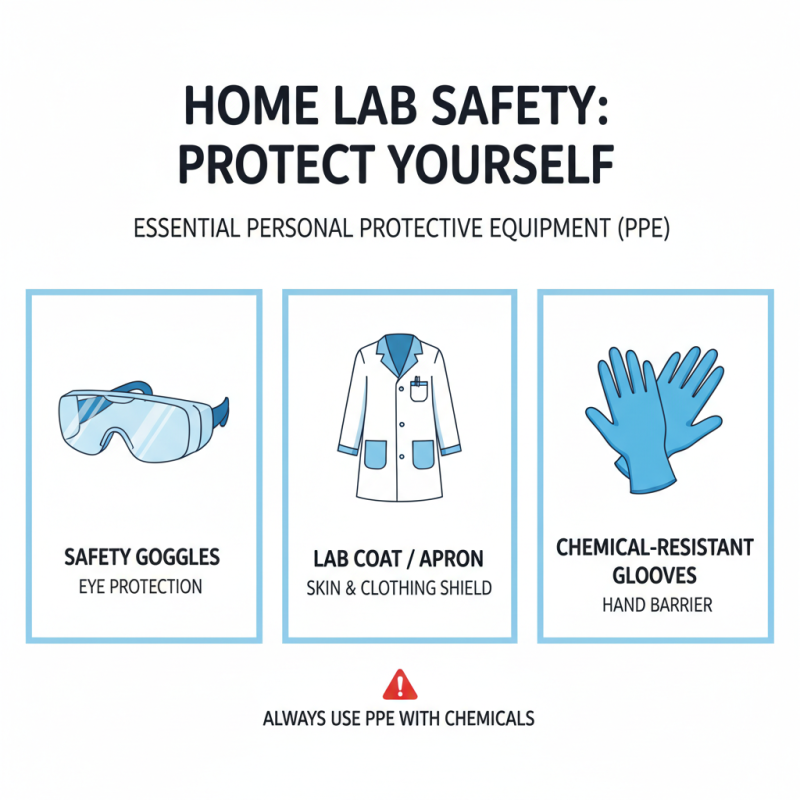
When working in a home lab, the importance of personal protective equipment (PPE) cannot be overstated. PPE is essential for safeguarding your health against the inherent risks associated with handling laboratory chemicals. At a minimum, individuals should wear safety goggles to protect their eyes from splashes and harmful fumes. A lab coat or apron made of durable, chemical-resistant material is critical in shielding the skin from accidental spills. In addition, gloves made from appropriate materials should always be worn, as they provide a barrier against toxic substances that may come into contact with the skin.
Foot protection is another key aspect of PPE in a home lab. Closed-toe shoes are a basic requirement; however, it is advisable to use chemical-resistant boots for added protection, especially when working with hazardous substances. Additionally, it may be beneficial to use a face mask or respirator when handling volatile chemicals that can produce harmful vapors. By equipping yourself with the right personal protective gear, you can significantly reduce the risks involved in your home laboratory environment and ensure a safer working experience.
Safe Storage Practices for Laboratory Chemicals
When setting up a home laboratory, safe storage practices for chemicals are paramount to ensure both personal safety and environmental protection. Firstly, designate a specific area in your home lab exclusively for chemical storage, ensuring it is well-ventilated and away from direct sunlight. Each chemical should be stored in clearly labeled containers that indicate the contents, hazards, and any necessary handling precautions. This will help prevent accidental misuse and allow for easy identification in case of an emergency.
Tips for safe storage include regularly checking expiration dates on chemicals and disposing of any outdated or unused substances according to local regulations. Additionally, consider using secondary containment systems, such as trays or bins, to catch any potential leaks, thereby minimizing the risk of spills. Organize chemicals based on compatibility; for example, store acidic substances separately from basic ones to prevent dangerous reactions.
Another essential practice is to keep a well-stocked first aid kit nearby, along with safety equipment such as gloves, goggles, and a fire extinguisher. By maintaining these safety protocols and being proactive about storage, you can create a secure environment conducive to experimentation and learning in your home lab.
Proper Handling and Disposal of Hazardous Materials
When handling hazardous materials in your home lab, proper disposal is as critical as safe handling. Always familiarize yourself with the specific guidelines for each chemical you work with. Identify whether the materials are flammable, corrosive, reactive, or toxic, as these properties influence both their handling and disposal. Use appropriate personal protective equipment (PPE) such as gloves, goggles, and lab coats to minimize exposure risks. Ensure you are working in a well-ventilated area to mitigate the accumulation of harmful vapors during your experiments.
Disposal of hazardous materials must follow strict protocols to protect both personal safety and the environment. Never pour chemicals down the drain or dispose of them with regular trash. Instead, look for designated hazardous waste disposal sites in your area or follow local regulations for hazardous waste collection. If possible, label any waste containers clearly and keep them in a secure location until they can be disposed of properly. Additionally, consider contacting local authorities for guidance on disposal methods specific to your location, ensuring you remain compliant with environmental regulations.
Laboratory Chemical Safety in Home Labs
Emergency Procedures for Chemical Spills and Accidents
In any home laboratory, accidents involving chemical spills can happen unexpectedly. Consequently, it is crucial to have a clear understanding of emergency procedures. First and foremost, ensure that you have access to a well-stocked emergency kit, which should include appropriate personal protective equipment (PPE) such as gloves, goggles, and masks.
Identifying the nature of the chemical spilled is essential for deciding the proper response. Always consult safety data sheets (SDS) for each chemical, as they provide vital information on hazards and recommended cleanup procedures.
In the event of a spill, the immediate priority is to protect yourself and others in the vicinity. Evacuate any non-essential personnel from the area and ventilate the space if safe to do so. If the spill is small and manageable, wearing necessary PPE, carefully contain and absorb the spill with appropriate material, such as absorbent pads or sand.
In the case of larger spills or more hazardous materials, evacuate the area and contact local emergency services for assistance. Additionally, report the incident to your local environmental authority, as protocols may vary based on the substance involved. Being prepared and informed will greatly minimize risks associated with chemical accidents in your home lab.