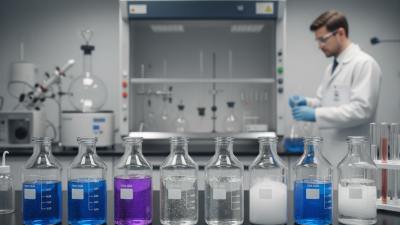
Top Trends in China's Chemical Manufacturing Industry for Global Buyers?
The chemical manufacturing industry in China is undergoing significant transformation. With robust growth, it plays a vital role in the global supply chain. According to a recent report by MarketsandMarkets, the industry is projected to reach a market size of over $1.25 trillion by 2025. China is a dominant player, contributing to roughly 40% of global chemical production.
Expert insights reveal crucial trends shaping this sector. Dr. Li Ming, a chemist at the China Petroleum and Chemical Industry Federation, states, “Innovation and sustainability are key to the future of chemical manufacturing.” This emphasizes the industry's pivot towards greener processes. As buyers look for reliable sources, understanding these trends becomes essential.
However, challenges remain. Regulatory compliance and global competition demand continuous improvement. Buyers must navigate a complex landscape of quality and pricing. The need for strategic partnerships grows as the market evolves. The landscape is not just about growth; it's about adaptation and foresight.
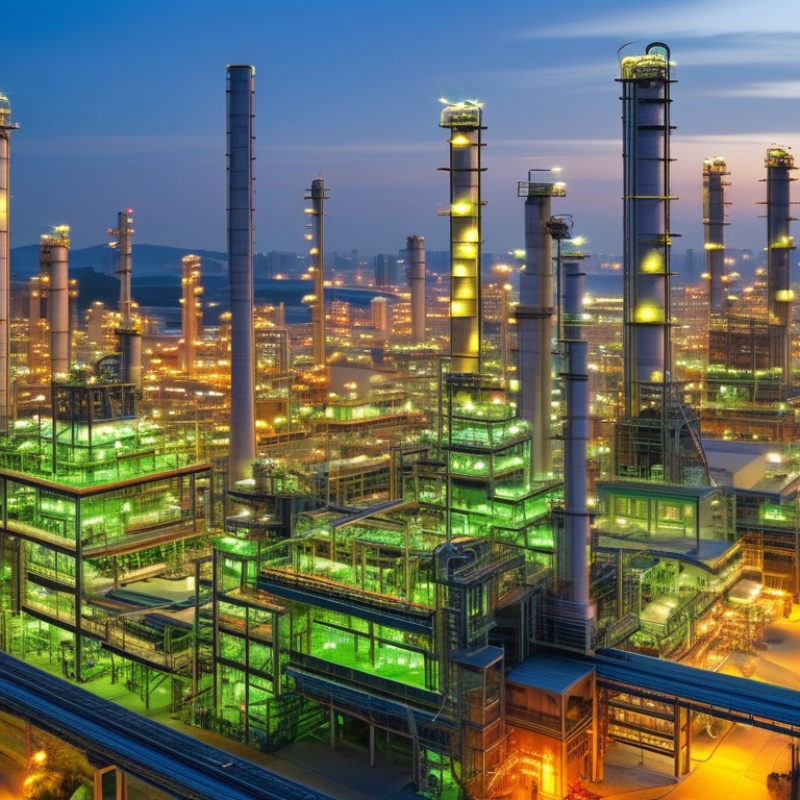
Emerging Technologies Transforming Chemical Manufacturing in China
Emerging technologies are reshaping China's chemical manufacturing landscape. Advanced automation and artificial intelligence are enhancing productivity and safety. Factories now utilize smart sensors to monitor equipment in real-time, which reduces downtime and minimizes waste, driving efficiency throughout production processes.
Sustainability is also a critical focus. New biotechnologies are enabling the use of renewable raw materials. Companies are shifting towards greener alternatives to traditional petrochemicals. However, transitioning to these technologies presents challenges. Not all manufacturers have the resources or expertise to make these changes swiftly.
Moreover, the integration of data analytics is transforming decision-making. Real-time data helps in predicting market trends, allowing businesses to adapt quickly. Yet, the reliance on technology raises concerns over data security and privacy. Investing in cybersecurity is essential as chemical manufacturers advance.
Sustainability Initiatives in China's Chemical Production Sector
Sustainability has become a vital focus in China's chemical production sector. Many manufacturers are adopting green technologies and eco-friendly practices. This shift aims to reduce waste and lower carbon footprints. By doing so, companies are responding to global demands for more responsible production methods.
Water usage is a major concern. Chemical plants are enhancing their wastewater treatment processes. Advanced filtration systems are used to ensure cleaner discharge. Additionally, some companies are recycling water extensively, minimizing the strain on local resources. However, challenges remain. Many facilities still struggle to fully implement sustainable measures due to high operational costs.
Innovations in alternative raw materials are gaining traction. Some producers explore bio-based feedstocks instead of conventional petroleum. This change can lead to reduced greenhouse gas emissions. Yet, the transition is not straightforward. Sourcing reliable alternatives poses difficulties, and not all bio-based options are fully sustainable. The industry must continue to refine these processes to meet environmental goals effectively.
Key Players and Their Influence on Global Chemical Supply Chains
The global chemical supply chain is increasingly influenced by key players in China’s manufacturing industry. Data from recent industry reports indicate that over 70% of global chemical imports depend on Chinese sources. This reliance highlights the crucial role that Chinese manufacturers play in meeting international demand. However, with great influence comes challenges. Many buyers face uncertainties due to fluctuating regulations and quality control standards in China.
In the first half of 2023, domestic chemical production in China grew by 5% year-on-year. This growth has positioned several Chinese companies as leaders in the market. Yet, while production levels are promising, variations in product quality have raised concerns among global buyers. A survey found that 45% of international customers cited inconsistent quality as a primary issue when sourcing from China. As key players navigate these dynamics, their influence on global supply chains continues to evolve, calling for careful consideration.
Furthermore, geopolitical tensions and environmental regulations could further reshape the landscape. A report forecasts potential price volatility as manufacturers adapt to stricter policies. As global buyers, the need for due diligence increases. Balancing cost-efficiency with stable quality will be vital moving forward. Understanding these trends helps buyers mitigate risks in their supply chains.
Market Trends Driving Global Demand for Chinese Chemical Products
China's chemical manufacturing industry is becoming increasingly influential globally. Numerous factors drive the rising demand for Chinese chemical products. One significant trend is the expansion of green chemistry initiatives. Global buyers are prioritizing sustainable products. They seek eco-friendly alternatives that reduce environmental impact.
Additionally, China's focus on innovation enhances its product offerings. Advanced technologies streamline the production process. This results in high-quality, competitively-priced chemicals, making them attractive to international businesses. As companies adapt to changing market needs, some may struggle with quality control or compliance. Yet, many buyers appreciate the potential benefits.
Moreover, the push for digitalization in manufacturing strengthens supply chain efficiency. China invests heavily in smart technologies. This enables quicker response times and improved product tracking. However, challenges like fluctuating raw material costs remain. Buyers must consider these factors when sourcing chemicals from China.
Challenges and Opportunities for Buyers in China's Chemical Industry
China's chemical manufacturing industry presents both challenges and opportunities for global buyers. Recent reports indicate that the sector is projected to reach a market size of approximately $1 trillion by 2025. The growth is fueled by increasing demand for specialty chemicals in various applications, such as agriculture and pharmaceuticals. However, navigating this landscape is complex. Supply chain disruptions, raw material costs, and regulatory hurdles pose significant challenges.
One major concern is environmental compliance. Reports show that over 90% of chemical companies face stricter regulations, which can lead to higher operational costs. Buyers need to invest time in understanding these regulations to ensure compliance and mitigate risks. Furthermore, fluctuations in raw material prices can lead to volatile market conditions, impacting procurement strategies.
Nevertheless, opportunities abound for buyers willing to adapt. The rise of digitalization in production processes enhances efficiency and transparency. Buyers can leverage this technology for better supply chain management. Additionally, collaborating with local suppliers who understand the market dynamics can create a competitive edge. Embracing innovation while addressing regulatory challenges is key to thriving in China's evolving chemical landscape.
Related Posts
-
Top 10 Reagent Chemicals You Need for Your Laboratory Experiments
-
Top 10 Essential Chemicals in Chemistry You Need to Know
-
Why Are Chemical Raw Materials Essential for Modern Manufacturing Processes?
-
How to Choose the Right Chemical Supply for Your Business Needs
-

How to Choose the Right Chemical Vendors for Your Business Needs in 2025
-
10 Best Innovations in the Chemical Manufacturing Industry?
Contact Us
We offer a just-in-time delivery solution supplying the highest quality materials to our customers. Get in touch today and learn how we can help your company.
Get in touch