Why Choose a Chemical Manufacturing Partner?
Choosing the right chemical manufacturing partner can shape product quality, cost control, and long-term business stability. A capable partner does more than operate mixing tanks and filling lines. It helps translate a validated formula into consistent, traceable production.
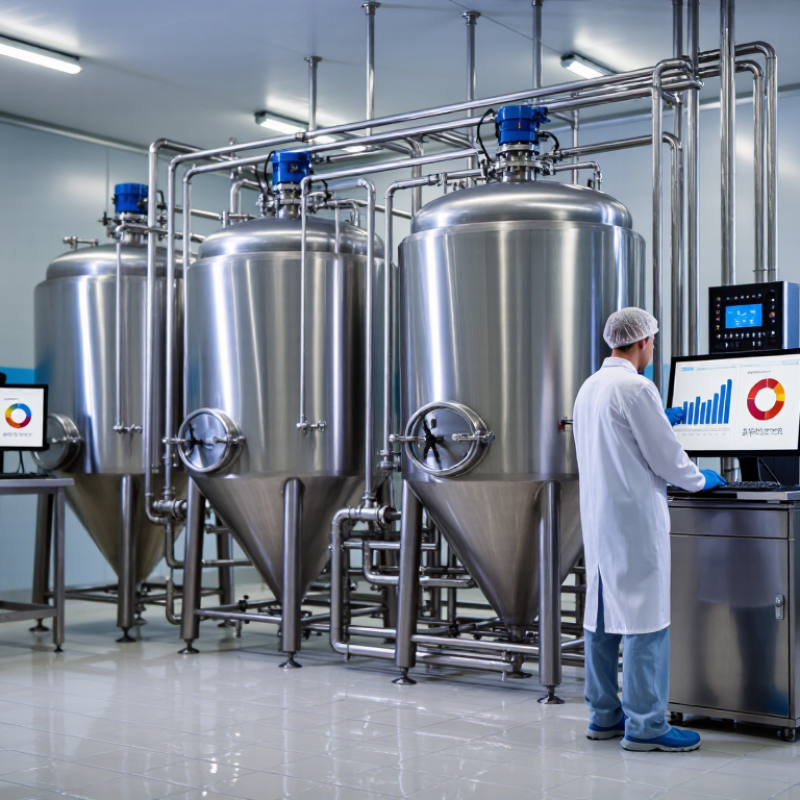
In real facilities, reliability appears in practical details. Raw materials arrive with clear documentation. Operators follow approved procedures. Batch records are complete, readable, and reviewed before release. Temperature, pressure, viscosity, and contamination controls receive careful attention. These details may seem ordinary. They protect your product.
A professional chemical manufacturing partner should demonstrate suitable facilities, trained personnel, quality systems, and relevant production experience. Certifications can provide useful evidence, but they should not replace direct evaluation. Ask how deviations are investigated, how suppliers are qualified, and how changes are communicated. Review sample documentation when possible. A polished presentation is not enough.
Communication matters just as much. A responsive partner can identify capacity concerns before they become expensive delays. It can also support scale-up, packaging decisions, testing coordination, and continuous improvement. However, no partner is flawless. Unexpected equipment issues, material shortages, or unclear specifications can still occur. The important question is how openly and quickly the team responds.
Selecting a chemical manufacturing partner requires more than comparing quotations. Consider technical competence, regulatory awareness, production transparency, and the ability to protect consistent quality over time. The best relationship feels practical, accountable, and measurable. It should reduce uncertainty, not hide it. That standard deserves careful reflection before any agreement is signed.
What Is a Chemical Manufacturing Partner?
A chemical manufacturing partner is an external specialist that develops, produces, tests, and improves chemical products for another company. The relationship can cover laboratory trials, process scale-up, raw material sourcing, batch production, packaging, and technical documentation. It is more than ordering finished material. Engineers must understand the formula, equipment limits, worker safety, and the final application.
In practice, a capable partner uses controlled procedures at every stage. Production records should identify raw material lots, mixing times, temperatures, and test results. Quality teams may check viscosity, purity, appearance, stability, or performance against agreed specifications. The partner should also support audits and communicate problems early. That sounds obvious. It is not always done well. A missed update can delay an entire production schedule.
Tips: Ask how the partner manages pilot batches before full production. Review its testing methods, change-control process, and documentation system. Confirm that employees receive regular safety training. Request sample records, not only polished presentations. A site visit can reveal practical details, such as clean storage areas, labeled containers, and calibrated instruments. Also, define responsibilities in writing. Technical assumptions often create expensive confusion later. A strong partnership still needs questions, evidence, and occasional reconsideration.
| Evaluation Dimension | What a Chemical Manufacturing Partner Provides | Why It Matters to the Customer | Typical Evidence or Performance Indicator |
|---|---|---|---|
| Definition | A specialized third-party organization that develops, scales up, manufactures, tests, packages, or stores chemical products on behalf of another company. | Customers can access external technical expertise and production capacity without building every capability internally. | Clearly defined scope covering research, process development, production, quality control, logistics, or selected combinations of these activities. |
| Process Development | Laboratory formulation, process optimization, reaction evaluation, impurity control, and preparation of technical production documentation. | Improves the transition from laboratory work to repeatable commercial manufacturing. | Documented process parameters, material specifications, sampling plans, batch records, and change-control procedures. |
| Scale-Up Capability | Transfers a chemical process from laboratory or pilot scale to larger production equipment while evaluating mixing, heat transfer, reaction control, and safety conditions. | Reduces the technical risk associated with increasing batch size and helps maintain consistent product quality. | Successful pilot batches, scale-up reports, defined critical process parameters, and comparability testing between development and production batches. |
| Production Capacity | Access to reactors, blending systems, separation equipment, drying units, filling lines, warehouses, and trained production personnel. | Allows customers to match manufacturing resources to demand without purchasing and maintaining a complete facility. | Published equipment ranges, batch-size limits, production schedules, utilization planning, and documented capacity-assessment methods. |
| Quality Management | Controlled procedures for raw-material approval, in-process testing, final-product release, deviation management, corrective actions, and record retention. | Supports consistent product performance and creates traceable manufacturing records. | Approved specifications, certificates of analysis, batch traceability, laboratory records, audit procedures, and documented corrective actions. |
| Regulatory Support | Technical documentation and manufacturing records that help customers meet applicable chemical, workplace-safety, transport, and environmental requirements. | Reduces documentation gaps and supports more efficient product registration, customer qualification, and market access activities. | Safety data support, technical dossiers, controlled manufacturing instructions, product labels, and regulatory change monitoring. |
| Safety and Risk Control | Hazard assessment, process-safety reviews, chemical compatibility checks, ventilation controls, emergency procedures, and worker training. | Chemical manufacturing can involve flammable, corrosive, toxic, reactive, or pressure-related hazards; structured controls reduce operational risk. | Risk assessments, operating procedures, emergency response plans, training records, incident reporting, and preventive-maintenance programs. |
| Supply-Chain Management | Sourcing and qualification of raw materials, supplier coordination, inventory planning, packaging management, and shipment preparation. | Helps improve material availability and reduces the administrative burden of coordinating multiple technical suppliers. | Approved supplier lists, incoming-material inspections, inventory controls, lot traceability, and documented logistics procedures. |
| Flexibility | Production arrangements may include small development batches, pilot quantities, campaign manufacturing, recurring commercial batches, or custom packaging. | Enables customers to adjust production as demand, formulation requirements, or market conditions change. | Multiple equipment scales, flexible scheduling, minimum-order policies, batch-size options, and documented changeover procedures. |
| Cost Structure | Customers generally pay for agreed development, manufacturing, testing, packaging, storage, and logistics services instead of funding a complete in-house operation. | Can reduce fixed investment in facilities, specialized equipment, utilities, laboratories, and technical personnel. | Transparent quotations that separate development fees, batch charges, testing costs, packaging, storage, transportation, and other agreed services. |
| Confidentiality and Ownership | Commercial agreements can define confidentiality, permitted use of technical information, ownership of formulations, process improvements, and manufacturing records. | Protects sensitive formulations, specifications, production methods, and other proprietary information. | Confidentiality agreements, technical-transfer documents, data-access controls, and clearly assigned intellectual-property terms. |
| Business Continuity | Established procedures for equipment maintenance, backup suppliers, production scheduling, data retention, and response to operational disruptions. | Improves resilience when raw-material shortages, equipment downtime, demand changes, or other interruptions occur. | Business-continuity plans, preventive-maintenance schedules, alternate sourcing assessments, and documented recovery procedures. |
| Best-Fit Use Case | Suitable for companies that need specialized processing, additional capacity, faster commercialization, or access to technical and quality resources. | Provides a practical alternative when building an internal chemical manufacturing operation would be too slow, costly, or technically complex. | A documented partner-selection review covering process fit, safety, quality, capacity, compliance, confidentiality, lead time, and total cost. |
Related Posts
-

Best Chemical Manufacturing Practices for Global Buyers?
-
Why Is Industrial Chemistry Important for Global Buyers?
-
2026 Best Chemical Manufacturers for Global Buyers?
-

Top 5 Industrial Chemistry Tips for Global Procurement Success
-

What is Industrial Chemistry and Why is it Important?
-

Why Choose Reliable Chem Supply for Global Buyers?
Contact Us
We offer a just-in-time delivery solution supplying the highest quality materials to our customers. Get in touch today and learn how we can help your company.
Get in touch