China Top 10 Pharmaceutical Raw Material Suppliers
Choosing among China’s top pharmaceutical raw material suppliers takes more than comparing prices or product lists. Manufacturers need reliable information about quality systems, production capacity, documentation, and supply continuity. A supplier’s website can provide useful clues, but it cannot replace careful qualification.
This guide introduces ten suppliers for readers evaluating pharmaceutical raw materials across different needs and product categories. It considers practical factors such as manufacturing experience, quality-control practices, batch traceability, technical support, and export readiness. Clear specifications and consistent certificates of analysis can help buyers assess whether a material meets their requirements. Details matter. Even small differences in purity, packaging, or lead time may affect production planning.
“Top 10” is not a universal ranking. Supplier suitability can change with the material, intended use, order size, and destination market. Public information also varies, and company claims should be checked against current records and direct discussions. Ask about production sites, change-control procedures, sample testing, and available audit documentation before making a decision. One missed detail can become an expensive delay. The list is a starting point, not an endorsement or substitute for independent due diligence. Buyers should confirm specifications and applicable quality requirements with qualified professionals. It is easy to overlook this step when deadlines are tight. A careful comparison can make supplier conversations more focused and help teams spot unanswered questions early.
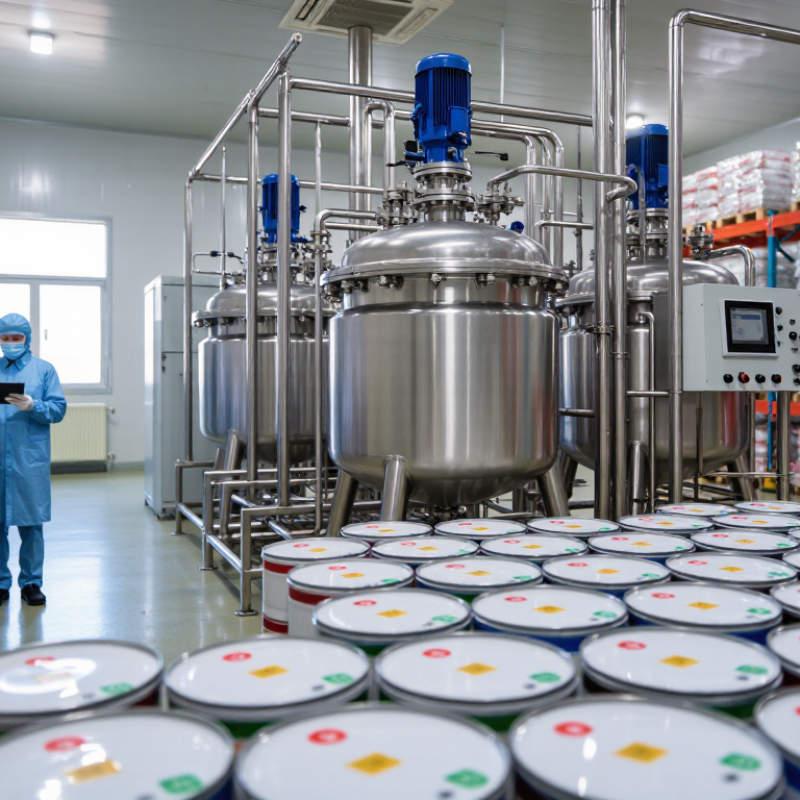
China’s API Supply Base in a $211.4B Global Market (2023, Grand View Research)
The $211.4 billion global market estimate for 2023, cited by Grand View Research, shows the scale of pharmaceutical demand. It does not measure China’s API exports or supplier capacity directly. That distinction matters. For buyers comparing Chinese suppliers, the figure is useful context, not a shortcut to choosing a partner.
A supplier’s reliability is easier to judge through evidence: consistent batch records, clear impurity data, validated production controls, and timely change notifications. During a site review, details can be practical and visible: how samples are labeled, how temperature logs are checked, and whether deviations receive documented follow-up. Good paperwork helps. It cannot replace technical discussion.
China’s manufacturing base includes companies with different production scales, specialties, and export experience. A top-ten list may help start research, but rankings can miss fit, responsiveness, or recent changes in capacity. I would verify each candidate’s quality systems, product specifications, and supply continuity for the intended use. Even then, a careful assessment has limits; forecasts shift, and a polished presentation is not proof of consistent performance.
How to Rank China’s Top 10 Suppliers by Capacity, GMP, and Export Data
China’s top pharmaceutical raw material suppliers should be ranked with evidence, not polished brochures. Capacity is a useful starting point, but quoted annual output may describe installed equipment rather than validated, saleable production. Compare product-specific capacity, recent utilization, and batch sizes. Ask for dated production records or an independent site assessment. Numbers need context.
GMP performance deserves a separate score. Check whether certificates are current, cover the exact manufacturing site and relevant process, and can be verified with the issuing authority. Review audit dates, deviations, corrective actions, change control, and traceability from incoming materials to finished batches. A certificate alone is not proof. Not enough.
Export data can test whether a supplier has shipped consistently, but it cannot establish product quality by itself. Compare shipment records across several years, destination markets, shipment frequency, and product descriptions; customs codes can group unlike materials. Cross-check these signals against references or other records where appropriate, while protecting confidential information. Use a disclosed 0-to-5 scale for each category, then publish the evidence date and gaps. Treat missing data as uncertainty, not as a confident score. The ranking may look less tidy. It will be more useful.
Top 10 Supplier Profiles: API Portfolios, Facilities, and Production Scale
A useful top-ten supplier comparison looks beyond catalog size. Check whether each profile covers several API classes, such as fermentation-derived, synthetic, or high-potency materials, and whether its facilities match those processes. The National Bureau of Statistics’ 2023 industrial report recorded RMB 2.52 trillion in revenue for China’s pharmaceutical manufacturing sector, down 3.7% year on year. This is not an API-only figure, so it cannot establish an individual supplier’s capacity. Scale needs direct verification.
Facility details matter. Ask for site locations, dedicated production lines, annual capacity, and typical batch sizes. A plant with stainless-steel reactors and controlled material flows may suit large campaigns; smaller lines may support flexible batch scheduling. Review quality-system evidence, inspection history, analytical capabilities, and change-control practices. Capacity figures can mislead. One public number rarely shows how much production is already committed, or how reliably output meets specification.
Tips: Request recent, site-specific documents and compare declared capacity with actual batch records. Check whether testing and production occur at the same site. A polished profile is useful, but it is not proof; ask for evidence, and note any unanswered questions.
China Top 10 Pharmaceutical Raw Material Suppliers - Top 10 Supplier Profiles: API Portfolios, Facilities, and Production Scale
Data note: These are anonymous API market segments, not ranked or individually verified supplier profiles. The API examples are representative products made by Chinese manufacturers; they are not attributed to any particular supplier. Supplier-specific site counts, certifications, and capacities cannot be reliably stated without identifying and verifying each company and facility.
| Profile | Representative API portfolio | Facility and compliance considerations | Production scale information |
|---|---|---|---|
| 01 · Penicillin-class antibiotics | Amoxicillin and related penicillin APIs | Confirm the specific manufacturing site, product scope, and current GMP inspection status. Beta-lactam production requires controls to prevent cross-contamination. | Supplier-specific annual capacity is not stated here; verify against current site and product documentation. |
| 02 · Cephalosporin antibiotics | Cefixime and other cephalosporin APIs | Check dedicated or appropriately segregated production controls, impurity specifications, and site-specific GMP evidence. | No comparable, independently verified capacity figure is provided for anonymous suppliers. |
| 03 · Macrolide antibiotics | Azithromycin and related macrolide APIs | Assess fermentation or synthesis route as applicable, process controls, impurity profile, and the exact site named in quality documents. | Capacity depends on product and facility; request validated current production and supply data. |
| 04 · Biguanide APIs | Metformin hydrochloride | Review site-specific GMP documentation, pharmacopoeial compliance, batch traceability, and controls for residual solvents and impurities. | A supplier-level output figure cannot be confirmed without an identified manufacturer and reporting period. |
| 05 · Cardiovascular APIs | Losartan and other angiotensin-receptor blocker APIs | Verify route-specific impurity controls, change-management procedures, and the regulatory status of the manufacturing site. | Public capacity figures are not consistently comparable across manufacturers or products. |
| 06 · Lipid-lowering APIs | Atorvastatin and related statin APIs | Evaluate stereochemical and impurity controls, analytical methods, batch consistency, and site-specific quality records. | No anonymous-supplier capacity estimate is presented as verified data. |
| 07 · Gastrointestinal APIs | Omeprazole and related proton-pump inhibitor APIs | Check product-specific stability, impurity specifications, packaging controls, and the approved or inspected site for the intended market. | Confirm usable capacity directly with the manufacturer; installed capacity and available supply are not equivalent. |
| 08 · Analgesic and anti-inflammatory APIs | Ibuprofen and related APIs | Review impurity limits, process consistency, traceability, and GMP status for the specific facility supplying the product. | Supplier-specific production volume is not publicly established by this anonymous profile. |
| 09 · Antimalarial APIs | Artemisinin-derived APIs, including artesunate | Confirm source-material traceability, product specifications, process controls, and the exact site’s quality and regulatory documentation. | Capacity and seasonal supply conditions require current, product-specific confirmation. |
| 10 · Vitamin APIs | Vitamin C (ascorbic acid) and related vitamin APIs | Verify the manufacturing route, applicable pharmacopeial standard, site-specific GMP evidence, and batch release controls. | Do not infer a supplier’s output from national or category-level market estimates; request documented facility capacity. |
Due-diligence baseline: ICH Q7 describes GMP expectations for active pharmaceutical ingredients. For procurement, independently verify the legal manufacturer, manufacturing address, product-specific specifications, inspection history, and current available capacity.
ICH Q7 and NMPA Standards: Assessing Supplier Quality and Compliance
For China’s pharmaceutical raw material suppliers, quality claims matter only when they can be traced to records. ICH Q7 sets GMP expectations for active pharmaceutical ingredients, while NMPA requirements guide domestic manufacturing controls. Buyers should check whether the supplier’s quality system covers the actual production site, not just its registered office. Request batch records, change-control logs, deviation investigations, and impurity-trend data. Then compare them with the material specification and recent certificates of analysis.
The WHO’s 2017 Global Surveillance and Monitoring System report estimated that one in ten medical products in low- and middle-income countries may be substandard or falsified. This estimate covers medical products broadly; it is not an API-specific failure rate. That distinction matters. During qualification, examine audit findings alongside laboratory evidence, including chromatograms, reference-standard traceability, and out-of-specification investigations. A polished audit file is not proof of consistent control. Ask how the supplier handles unexplained yield shifts or repeated analytical retests, and verify the answers against dated records. Even a capable site may have gaps. That deserves scrutiny. Reassess suppliers after major process changes, ownership changes, or recurring deviations, rather than relying on an old audit report.
API Sourcing Metrics: DMFs, Batch Consistency, Lead Times, and Supply Risk
China Top 10 Pharmaceutical Raw Material Suppliers
API Sourcing Metrics: DMFs, Batch Consistency, Lead Times, and Supply Risk
Comparing suppliers in China is less about a polished catalog and more about evidence that holds up across orders. A Drug Master File (DMF) may support review of manufacturing information. A filing alone does not establish product quality or approval. Confirm relevant filings and their current status through appropriate, independent channels. Small details matter.
Ask for certificates of analysis from several recent batches, not just a sample. Compare assay, impurity profiles, moisture, and test methods against agreed specifications. Stable numbers across lots are more useful than one perfect result. Request change-control records and investigate unexplained shifts. Even careful testing has limits; supplier data should be checked against your own quality system.
Lead times need the same scrutiny. Compare quoted schedules with order history, production capacity, shipping buffers, and seasonal constraints. Map dependencies on a single site, key starting materials, or one transport route. Ask what happens after a failed batch or delayed shipment, and verify that contingency plans are workable. A polished audit report can still miss operational drift. That is an uncomfortable gap, but it deserves follow-up.
Suggested API sourcing scorecard weights
These proposed weights help compare suppliers across documentation, batch consistency, lead times, and supply risk. They are a sourcing framework—not measured data or rankings of China-based suppliers. Verify each supplier’s documentation and performance directly; a DMF filing alone does not indicate product approval.
Related Posts
-
China Top 10 Pharmaceutical Raw Materials Suppliers?
-

Why Choose the Best Chemical Distributors in the UK?
-
Why Purchase Bulk Hydrochloric Acid for Your Business Needs?
-
Why Do Chemical Distributors Play a Critical Role in the Supply Chain?
-

Top 10 Specialty Chemicals Suppliers for Global Buyers
-

Why Choose a Chemical Manufacturing Partner?
Contact Us
We offer a just-in-time delivery solution supplying the highest quality materials to our customers. Get in touch today and learn how we can help your company.
Get in touch